The short answer
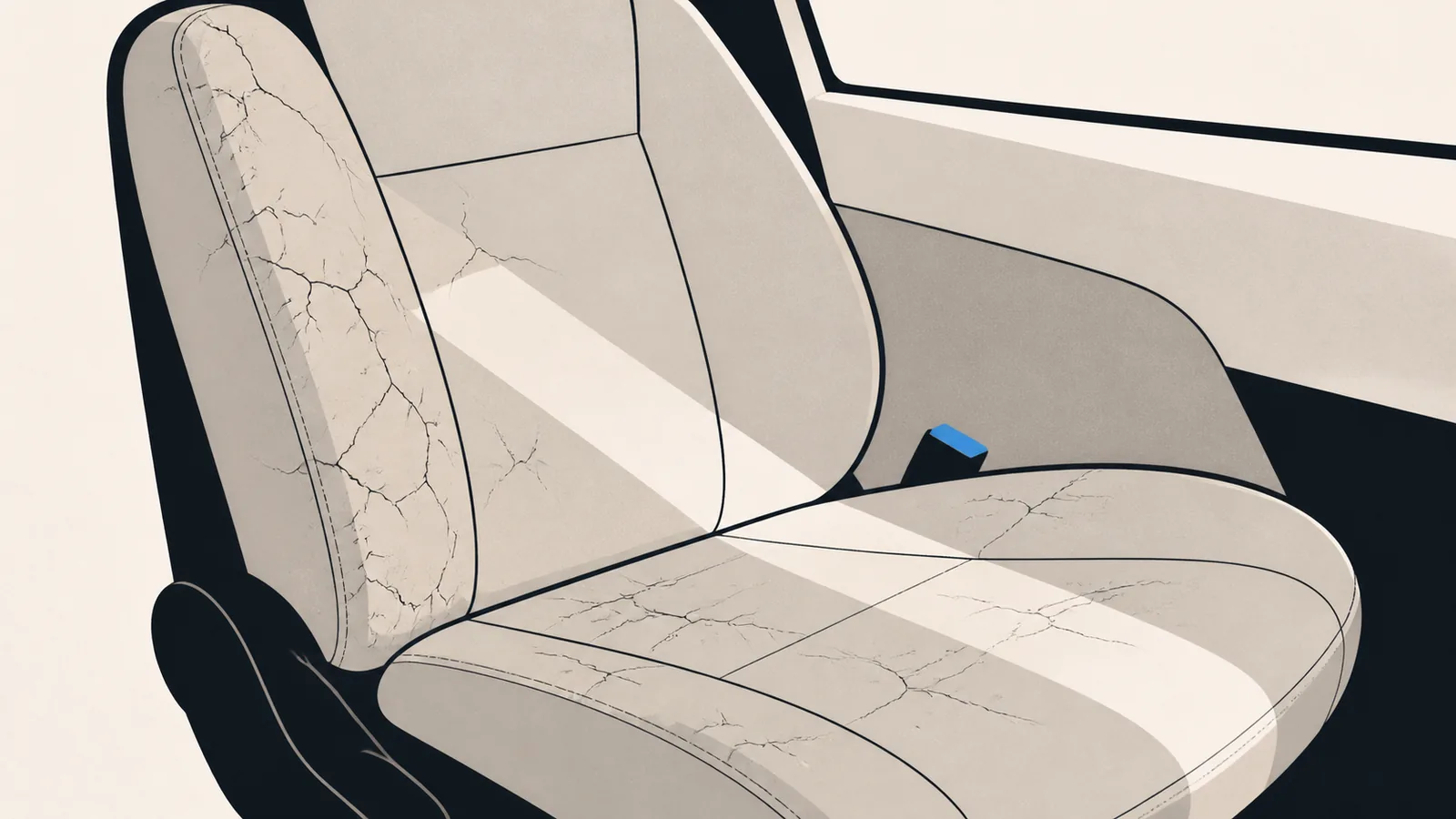
Automotive leather fails in Texas because heat and UV drive the plasticizers out of its finish, and the surface goes stiff, then shiny, then cracked. The fix is a routine, not a product: clean the seats before you condition them, condition every three to six months, and keep a UV protectant on every surface the sun touches. Leather clean and condition runs $69 as an add-on and is included in our deep and interior detail tiers.
Once leather has cracked, it cannot be conditioned back. Everything below is about the window before that.
What the heat is actually doing
Researchers from UC San Diego and Arizona State measured the interiors of cars parked in the sun and found that in one hour, dashboards reached 157 degrees Fahrenheit and seats reached 123 degrees. In a DFW summer, a car parked at an office all day is living at those numbers, day after day, for months.
Almost all modern automotive leather is coated: a pigmented, flexible topcoat over the hide. That topcoat is what you actually touch and what actually fails. Sustained heat and UV drive out the plasticizers that keep it flexible, and body oils and sunscreen accelerate it. The visible progression is predictable: the seat gets stiff, then it develops a hard shine where you sit and where you get in and out, then the bolster cracks. The cracking is the last stage, not the first.
Clean first, condition second
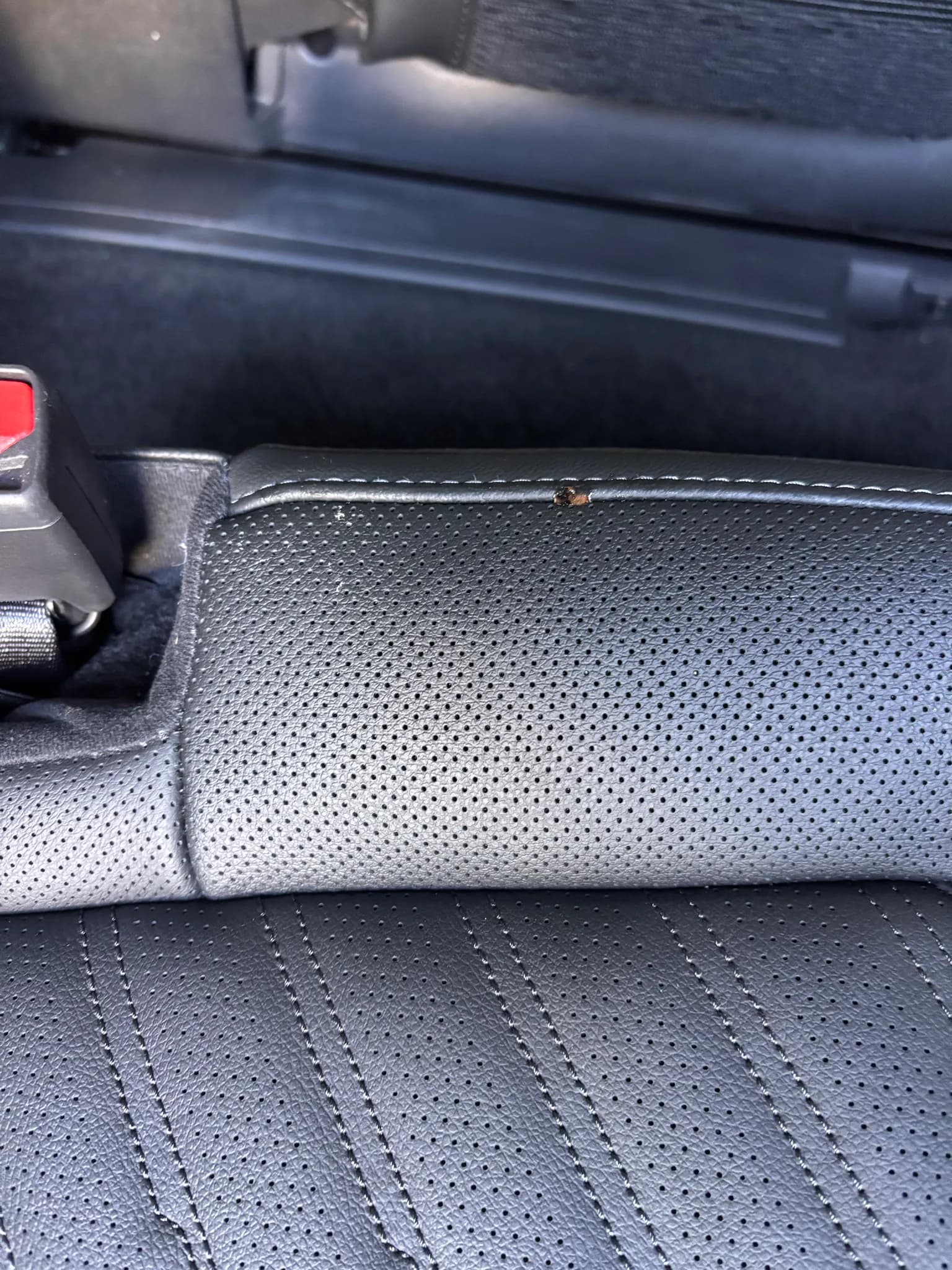
This is the step almost everyone skips, and skipping it is why conditioning sometimes seems to do nothing. Conditioner applied over the grime, body oil, and sunscreen sitting on the topcoat cannot reach the finish it is meant to feed. Worse, on perforated leather it drives that soil into the holes.
The right sequence is a pH-appropriate leather cleaner worked with a soft brush to lift soil out of the grain, wiped clean, and then a conditioner with UV inhibitors applied thin and buffed off. Thin is the operative word. A heavy coat of conditioner does not soak in deeper, it just leaves a greasy shine that attracts dust and makes the seat slippery.
How often, honestly
The interval depends on exposure, not on the calendar. A garage-kept sedan and a truck that parks in an open lot every day are on completely different schedules.
| How the car lives | Clean | Condition |
|---|---|---|
| Garage kept, light use | Every 3 months | Twice a year |
| Daily driver, covered parking | Every 2 months | Every 4 to 6 months |
| Parked outside all day, every day | Monthly wipe, deep clean quarterly | Every 3 months |
| Kids, dogs, or job sites in the cabin | Monthly | Every 3 months |
Leather maintenance intervals for DFW conditions
What never to put on automotive leather
Most of the damage we see was applied on purpose, by an owner trying to help.
- All-purpose cleaner or degreaser. It strips the topcoat, and the topcoat is the part that matters.
- Household wipes and glass cleaner. Alcohol and ammonia dry out and haze the finish.
- Anything that leaves a high gloss. On seats that shine is not conditioning, it is residue, and it is slippery.
- Saddle soap and mink oil. They are made for uncoated leathers and do nothing useful on a coated automotive finish.
- Magic-eraser style melamine pads. They abrade pigment straight off the seat.
- Excess water on perforated leather. It goes through the holes and into the foam, which is how a seat starts to smell.
Reset the leather before the cracking starts
A proper clean and condition with UV protection runs $69 as an add-on, and is included in the Interior Detail and Signature tiers. If the leather is already past saving, we will tell you that instead of selling you conditioner.
The other half: keep the heat off
Maintenance buys you time. Reducing the exposure is what actually changes the outcome. A windshield sunshade is the single highest-value thing you can do, because it takes the direct load off the dash and the front seats. Covered parking, even a carport, changes the daily peak temperature the cabin reaches. Quality window tint reduces the UV that reaches interior surfaces, and it pays for itself over the life of the car in interior condition alone.
None of these are detailing services, and we mention them anyway because they matter more than any product we can sell you.
This is an educational guide written to help DFW drivers budget and decide with confidence. It is not a binding quote. Your price is confirmed up front before any work begins, with no deposit.