
The short answer
Detailing does not change the book value. What it changes is condition grading, buyer confidence, and time on market, all of which move the price you actually get.
Practically: a full detail before a private sale usually costs less than the first concession a buyer asks for. A Full Detail starts at $225.
Where the value comes from
| Mechanism | Why it moves money |
|---|---|
| Condition grading | Appraisers and guides grade on condition, and clean cars grade higher |
| Buyer inference | A clean car reads as a maintained car, which reduces perceived risk |
| Negotiating position | Visible neglect is the first thing a buyer uses to justify an offer |
| Time on market | Better photos mean more inquiries and a faster sale |
Four mechanisms, ranked by impact
What buyers actually react to
- Smell, within three seconds of opening the door. It is the hardest thing to fake and the easiest to notice.
- The interior touch points: steering wheel, shifter, door handles.
- Headlights, because yellowed lenses make any car look tired.
- Wheels, which are what people photograph and what shows neglect fastest.
- The engine bay, which is the trust signal that costs the least to buy.
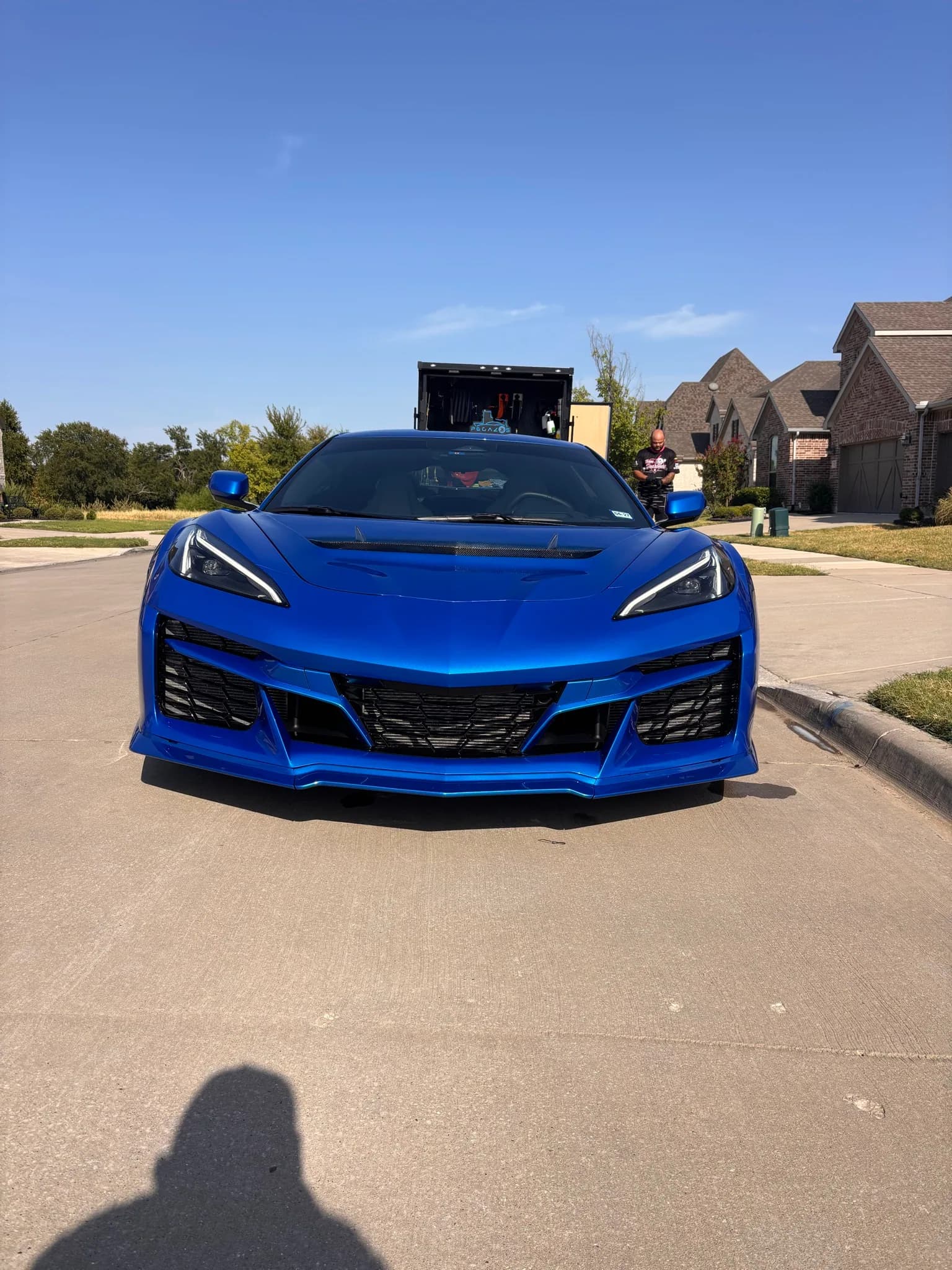
The pre-sale package
A Full Detail from $225, plus headlight restoration at $149 and an engine bay at $79, is the combination that most changes how a car presents in photos and in person.
Where it does not help
On a car with mechanical problems, accident history, or high mileage, detailing does not change the fundamentals. It still helps the presentation, but it will not move the number the way it does on a sound car in poor cosmetic condition.
It also does not help much at a trade-in desk, where appraisals lean on auction data and reconditioning cost. That is a different post, and the honest answer there is that the return is real but much smaller.
Two identical cars, one difference
Picture two of the same model, same year, same mileage, listed the same week. One has a hazy windshield, yellowed headlights, dusty wheels, and a faint smell. The other has been detailed. Neither has a different service history and neither drives differently.
The first gets fewer inquiries, and the buyers who do come treat every visible flaw as a lever. The second sells faster and closer to asking. That gap is the entire mechanism, and it is why detailing pays on a private sale even though no valuation guide has a line for clean.
What a buyer infers from a clean car
The mechanism is inference rather than valuation. A buyer cannot inspect an engine's history in a driveway, so they read the things they can see as evidence of the things they cannot.
- A clean engine bay suggests someone opened the hood occasionally.
- A cared-for interior suggests the service intervals were probably kept too.
- Clean wheels and dressed tires suggest the car was not simply run into the ground.
- An absence of smell suggests nothing has been hidden.
- Records in the glovebox and a second key suggest an organized owner.
This is an educational guide written to help DFW drivers budget and decide with confidence. It is not a binding quote. Your price is confirmed up front before any work begins, with no deposit.