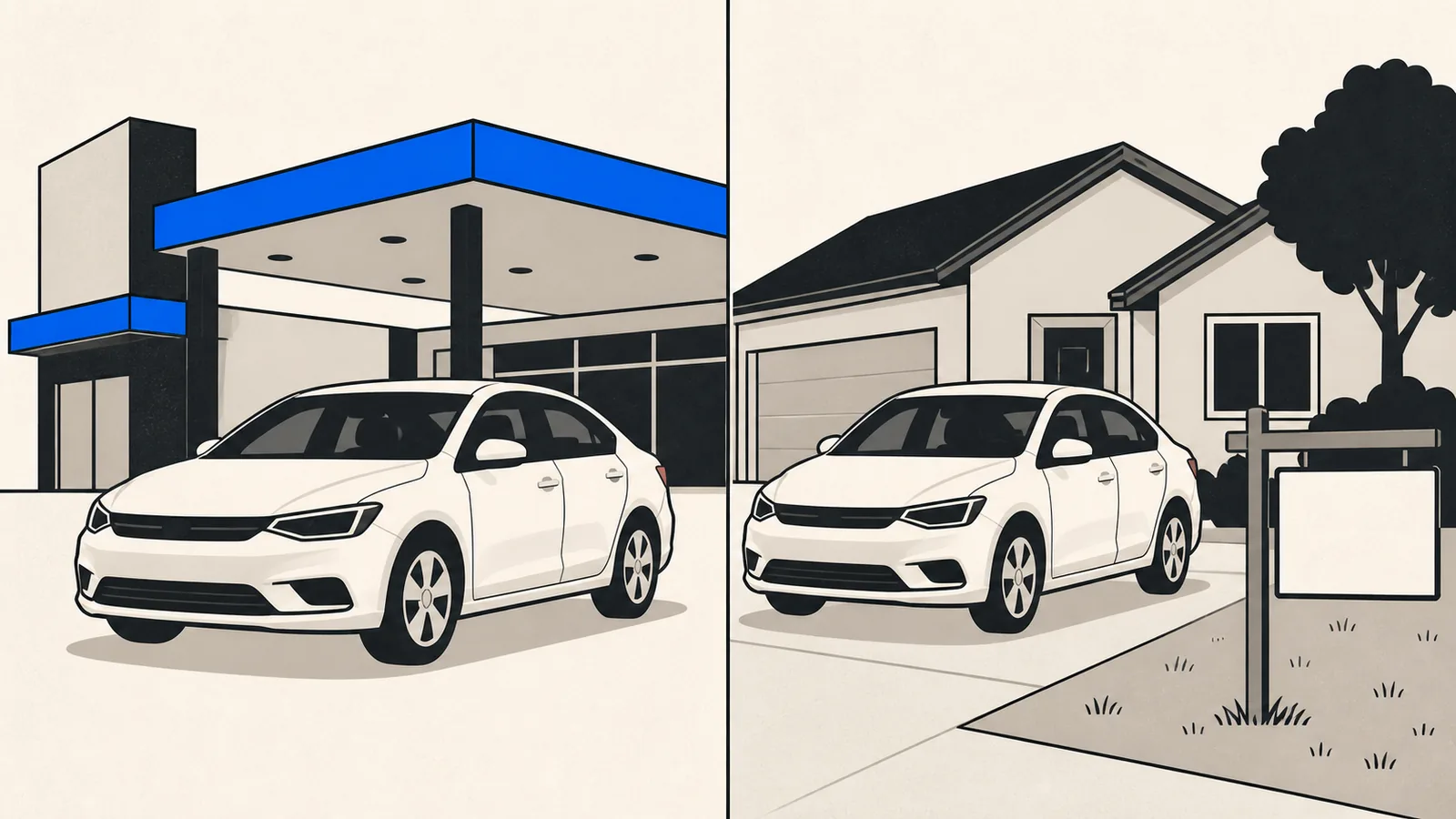
The short answer
For a private sale, detail fully. The buyer's reaction is the entire mechanism, and presentation drives both the offer and how fast it sells.
For a trade-in, spend less. An appraiser is estimating reconditioning cost against auction data, so a clean car helps at the margin but a full pre-sale package rarely returns its cost. Handle odor and the interior, wash the exterior, and stop there.
Spend by channel
| Item | Private sale | Trade-in |
|---|---|---|
| Odor removal | Yes, first priority | Yes, it is graded |
| Deep interior detail | Yes | Yes, though a vacuum and wipe-down covers most of it |
| Exterior decontamination and sealant | Yes | A wash is usually enough |
| Headlight restoration | Yes on any older car | Marginal |
| Engine bay | Yes | No |
| Trim restoration | Yes on older SUVs and trucks | No |
What to buy for each route
Why appraisers respond differently
A dealer appraisal starts from auction comparables and subtracts estimated reconditioning. Cosmetic issues they will fix anyway are priced at their cost, not yours, and their cost is lower than what you would pay.
What does move a trade appraisal is anything that would otherwise be graded as damage: burns, tears, permanent stains, and odor. Those are the ones worth addressing before you drive in.
Match the spend to the buyer
Private sale: Full Detail from $225 plus headlights and engine bay. Trade-in: Interior Detail from $149 and a maintenance exterior from $99.
The lease turn-in case
Lease returns are their own category, closer to a trade-in than a private sale. Charges are assessed against the excess wear standards in your contract, which cover cuts, tears, burns, and permanent stains rather than ordinary dirt.
A detail before turn-in is worth it because it removes the things that would otherwise be recorded as permanent, and because a clean car invites a less forensic inspection of everything else.
What an appraiser physically checks
Trade appraisals are fast and follow a pattern. Knowing the pattern tells you where cleaning helps and where it does not.
- A walk around the panels for dents, mismatched paint, and panel gaps.
- Tire tread depth and brand match across the four corners.
- Glass for chips and cracks, which are a fixed reconditioning cost.
- Interior for burns, tears, permanent stains, and odor, which are the graded items.
- The odometer, service history, and how many keys exist.
- A short drive listening for anything obvious.
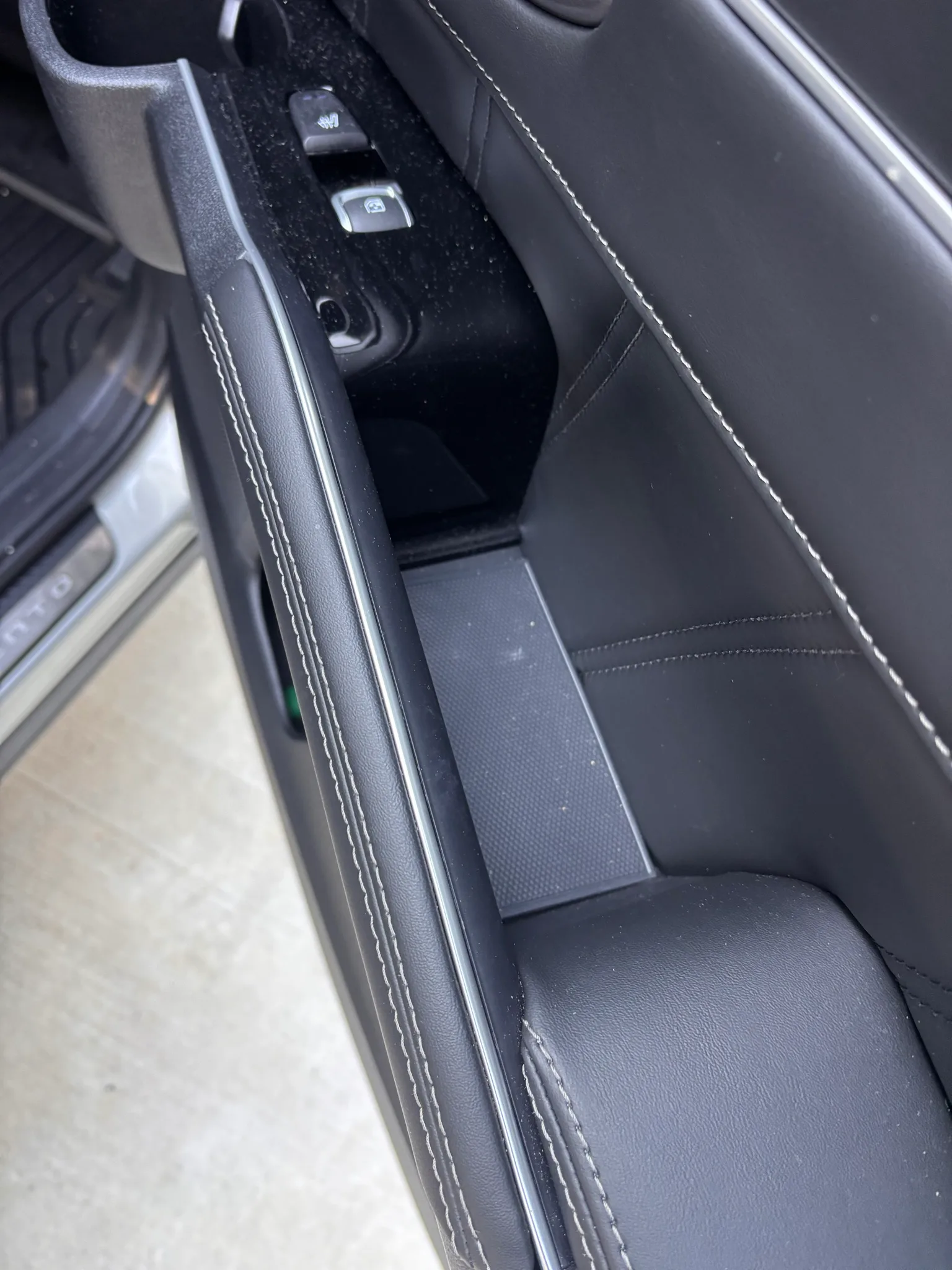
The private-sale work that pays for itself twice
Some pre-sale spending helps whichever route you eventually take, which makes it the safest place to start before you have decided.
- Odor treatment, because it is graded at a trade desk and it is a deal breaker in a private sale.
- A deep interior clean, for the same reason: interior condition is assessed either way.
- Fixing anything that reads as neglect rather than wear, such as a filthy engine bay or wheels that have never been cleaned.
- Gathering service records and finding the second key, which costs nothing and helps in both channels.
This is an educational guide written to help DFW drivers budget and decide with confidence. It is not a binding quote. Your price is confirmed up front before any work begins, with no deposit.