The short answer
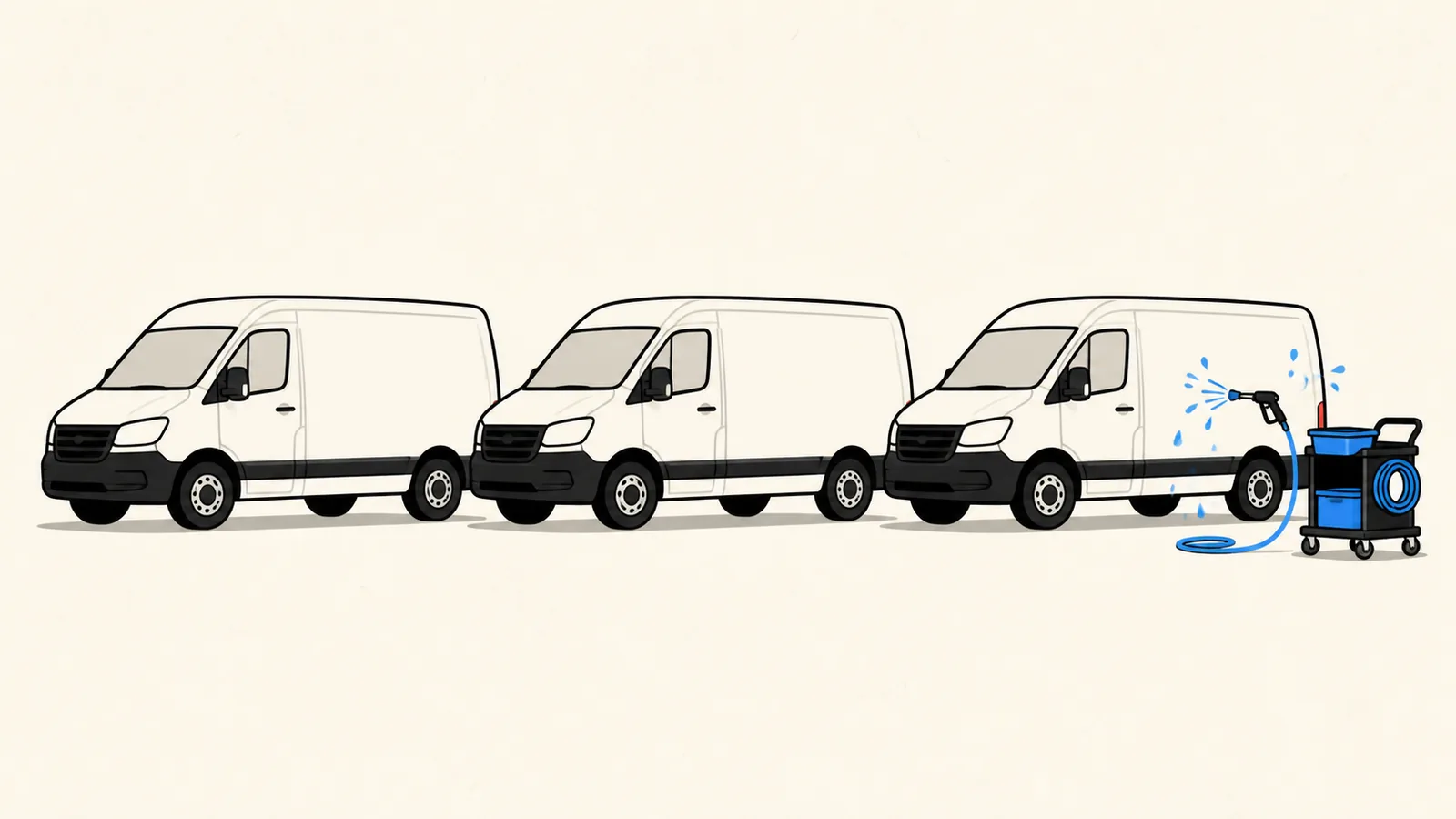
We come to your yard or your job sites and work through the fleet on a schedule that fits around the working day, usually early morning, evening, or weekends. Nothing has to leave the lot and no driver loses a shift sitting at a wash.
For most small service fleets the useful rhythm is a maintenance exterior every two to four weeks and a deep interior quarterly, with the interiors mattering more than owners expect.
What a clean fleet actually buys
| Benefit | How real it is |
|---|---|
| Customer impression at the driveway | High. The van arrives before your technician speaks |
| Driver pride and vehicle care | Real, and consistently reported |
| Wrap and paint longevity | High. Contaminants left on a wrap shorten its life |
| Resale or lease return condition | High, especially on interiors |
| Recruitment impression | Moderate but genuine |
The business case, honestly
Scheduling around a working week
The constraint is never the cleaning, it is the vehicle being available. The two arrangements that work are a fixed weekly window at the yard when the fleet is parked, or a rolling schedule where a set number of vehicles are done each visit.
Interiors are the part that needs planning, because a deep interior takes hours rather than minutes. Rotating a few vehicles per visit through a quarterly interior cycle keeps every van in the rotation without ever taking the fleet off the road.
Fleet work is quoted, not priced off the menu
Fleet and dealer work is scoped to your vehicle count, condition, and schedule rather than booked per car. Tell us the fleet size and the rhythm you want and we will put a number on it.
Wraps and lettering
Vinyl wraps and printed lettering need pH-neutral products and no aggressive machine work. Pressure washing at close range lifts edges, and abrasive polishing dulls and scuffs the print.
The right routine is frequent gentle washing and a wrap-safe sealant, which keeps the print from fading and stops contaminants bonding to a surface that cannot be corrected.
The interior nobody plans for
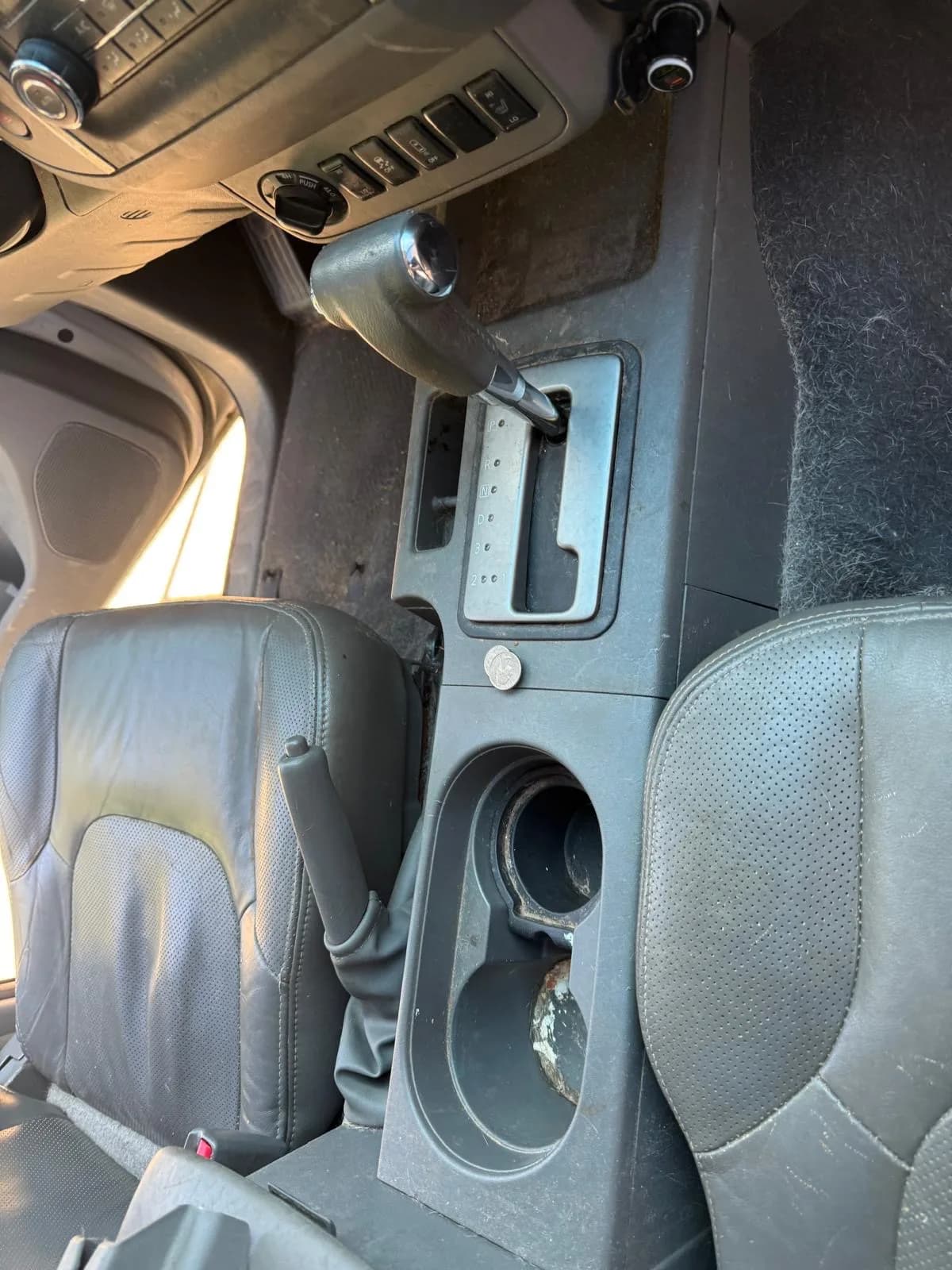
Work van interiors take job-site dust, spilled materials, and heavy contact wear on the driver's seat and floor. All-weather mats and seat covers cost very little and prevent most of the damage that eventually shows up as a lease return charge.
For interiors that have gone too far, compressed air and hot-water extraction do far more than a vacuum, which is the difference between a van that looks used and one that looks finished.
What to give the detailer to make a fleet visit efficient
- A vehicle list with sizes, so the day is scheduled with the right amount of time.
- A parking plan, ideally with vehicles staged in a line rather than boxed in.
- Key access arrangements for interiors, including any spare-key protocol.
- A named point of contact on site who can answer a question without stopping the whole job.
- Any vehicle-specific notes: a wrap, a damaged seal, a known leak, or a unit due for return.
This is an educational guide written to help DFW drivers budget and decide with confidence. It is not a binding quote. Your price is confirmed up front before any work begins, with no deposit.