The short answer
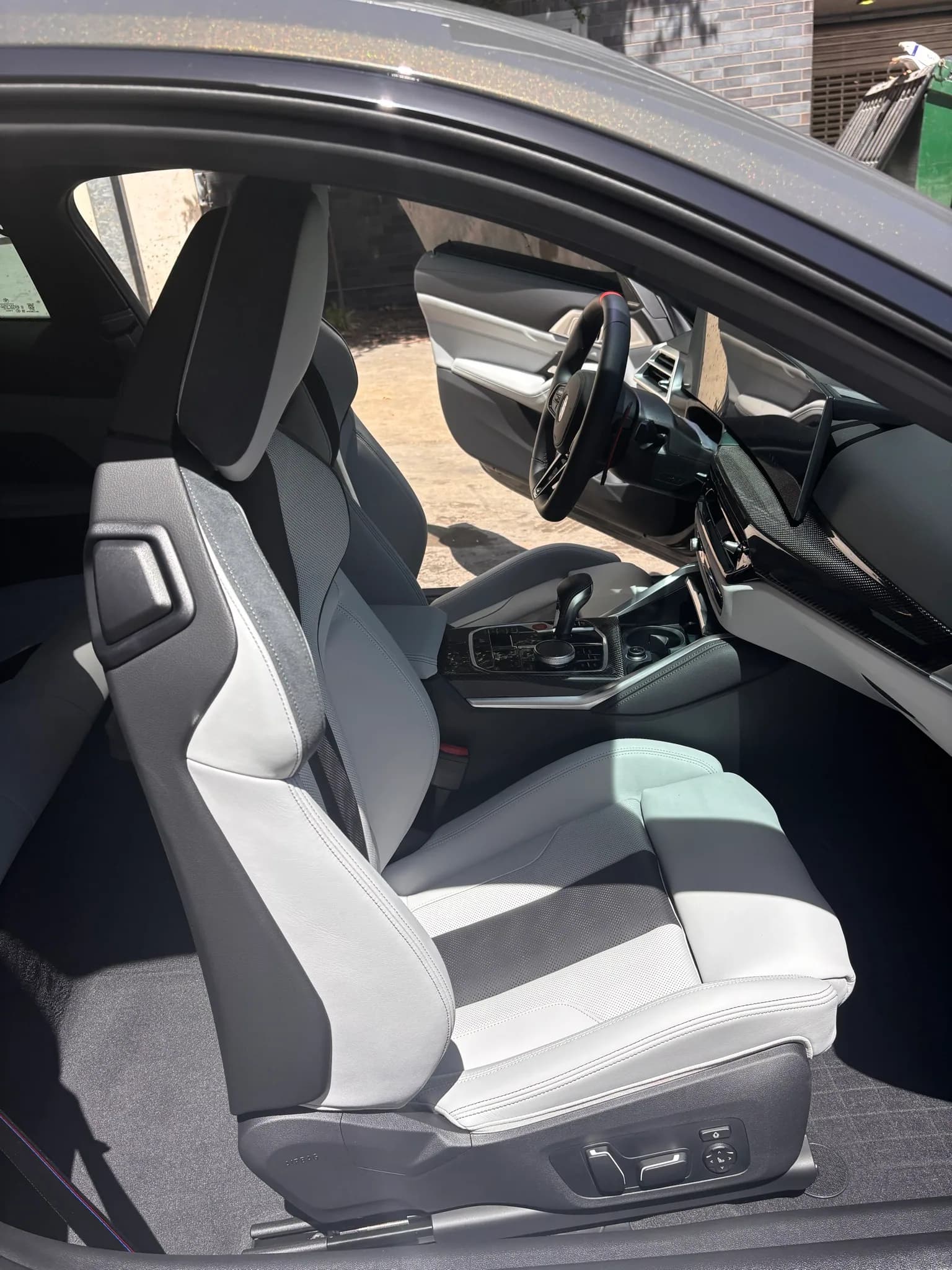
Premium interiors combine materials that each need different handling: piano black trim that scratches from a dry wipe, open-pore wood that dulls with solvent, Alcantara that mats with conditioner, and quilted leather with stitching that traps grime.
The correct approach is boring and slow: the mildest product that works, applied to an applicator rather than the surface, tested somewhere hidden, one material at a time.
Material by material
| Material | Safe approach | What ruins it |
|---|---|---|
| Piano black trim | Blow dust off, then a plush damp microfiber | Dry wiping, which scratches instantly |
| Open-pore wood | Damp microfiber only, no dressing | Solvent cleaners and gloss dressings |
| Alcantara | Dedicated microsuede cleaner and a soft brush | Leather conditioner and scrubbing |
| Quilted leather | Soft brush into the stitching, pH-neutral cleaner | Product left to dry in the stitch lines |
| Brushed aluminum trim | Wipe with the grain | Circular polishing, which shows forever |
| Perforated ventilated seats | Product on the applicator, never sprayed | Liquid pushed through the holes |
What each luxury material needs
The exterior half
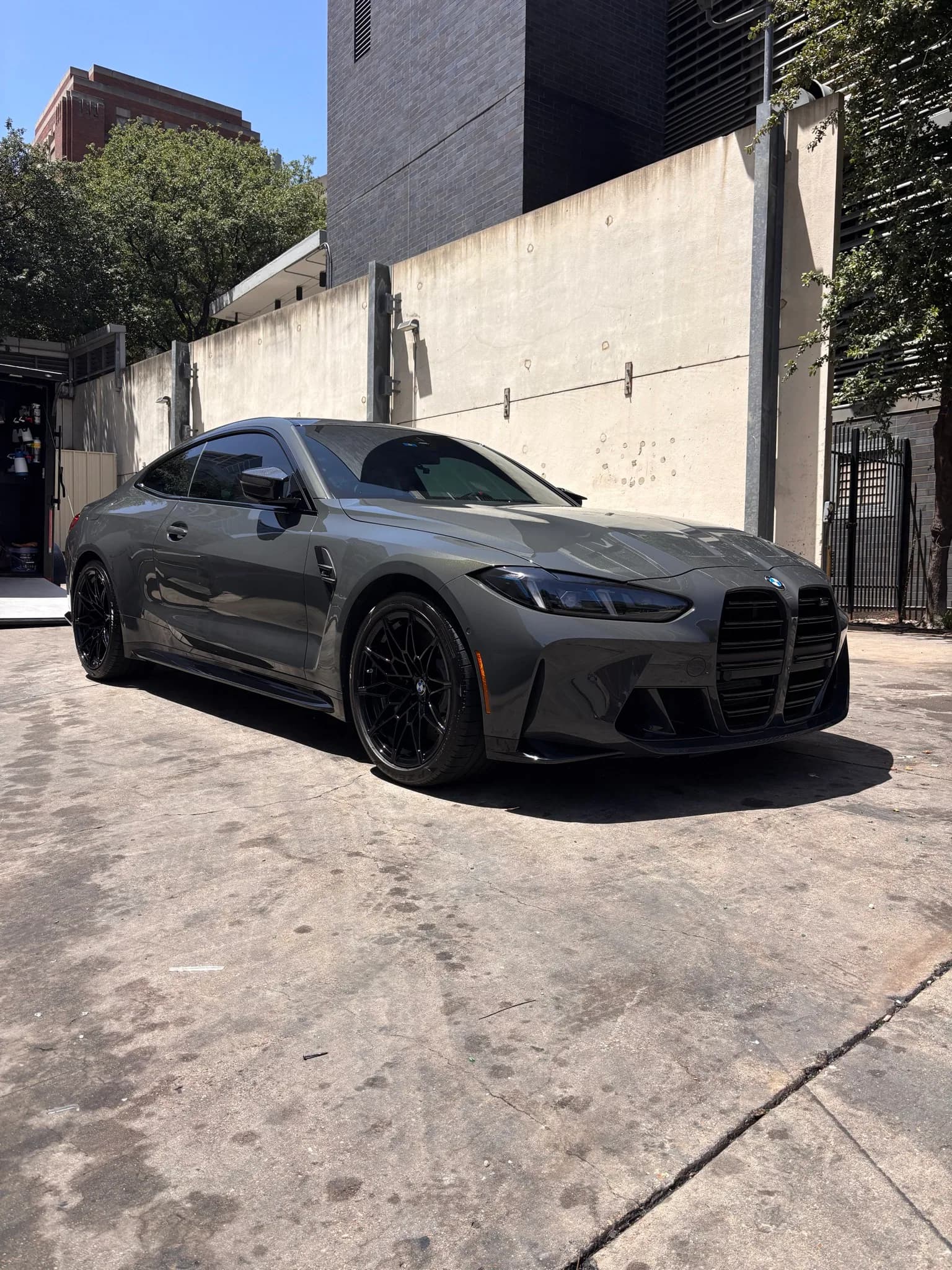
Dark premium paint shows every wash mistake, which is why media discipline matters more here than on a silver commuter. Separate mitts for upper and lower panels, plush drying towels, forced-air drying to keep contact to a minimum, and never a brush tunnel.
Chrome and polished trim need their own products, and a lot of modern satin-finish trim needs to be kept away from anything abrasive entirely.
Detailed at your house, not in a queue
Full Details cover full decontamination, sealant, extraction, and material-appropriate interior care, from $225, whatever the vehicle.
The honest limits
We do not install multi-year ceramic coatings or paint protection film. On a premium car with corrected paint, both are worth considering from a specialist, and we will say so.
We also will not experiment on an unusual material. If your car has something we have not worked with before, we will tell you and either research it properly or decline that surface rather than guess on a panel that costs four figures.
Soft paint, and why some premium cars mark so easily
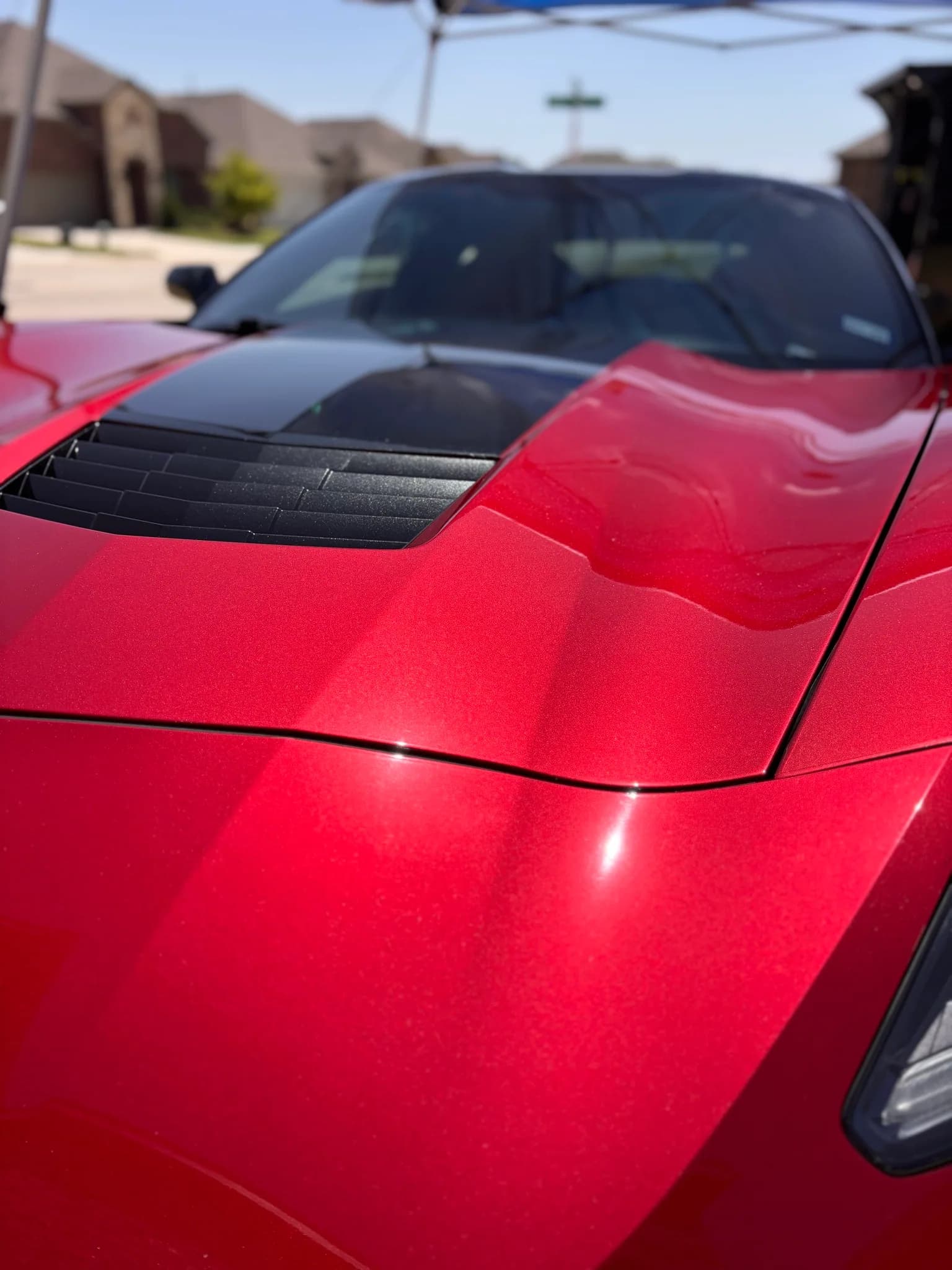
Several German and Japanese manufacturers use notably soft clear coat, which marks more easily during washing than a harder finish does. It is not a defect; it is a formulation choice that polishes beautifully and scratches easily.
On those cars the wash method matters more than the products. Forced-air drying rather than towels, fresh plush media, generous pre-rinsing, and no automatic washes of any kind are what keep soft paint looking right, and they are cheaper than the correction that follows getting it wrong.
This is an educational guide written to help DFW drivers budget and decide with confidence. It is not a binding quote. Your price is confirmed up front before any work begins, with no deposit.