The short answer
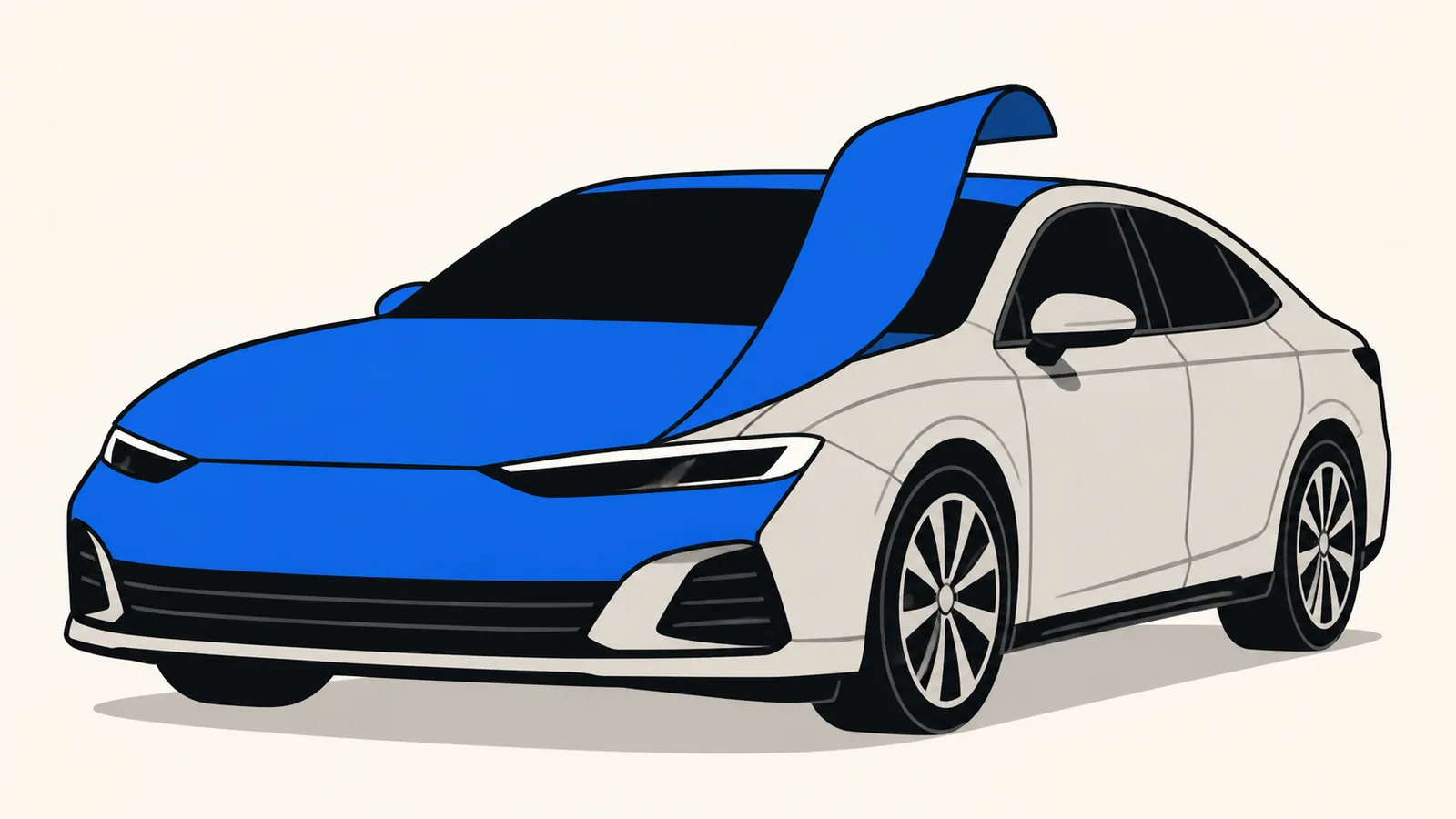
In the first month, do three things. Inspect the paint in direct sunlight before you get attached to the car, decontaminate and protect it once, and set a wash habit that is not the tunnel at the gas station. Everything else can wait.
The thing most people get wrong is assuming a new car needs nothing. Between the transport truck, the lot, and the dealer prep bay, a car has usually already been washed with a dirty mitt, parked under trees for weeks, and covered in rail dust before you ever saw it.
Why a car off the lot is not a clean slate
New cars travel by rail and truck, often uncovered, and pick up iron particles from brake and rail wear along the way. Those particles embed in the clear coat and keep rusting, which is what the orange specks on a white car actually are. Meanwhile the car sits on a lot exposed to sun, sprinklers, birds, and tree sap, and it gets washed by whoever is available with whatever is in the bucket.
Dealer prep is aimed at making a car look good under showroom lighting on the day of sale. It is not a decontamination. That is why a brand new car pulled into direct sun often shows fine swirl marks in the paint, and why a clay bar run over a week-old car still comes back dirty.
Week one: inspect before you commit
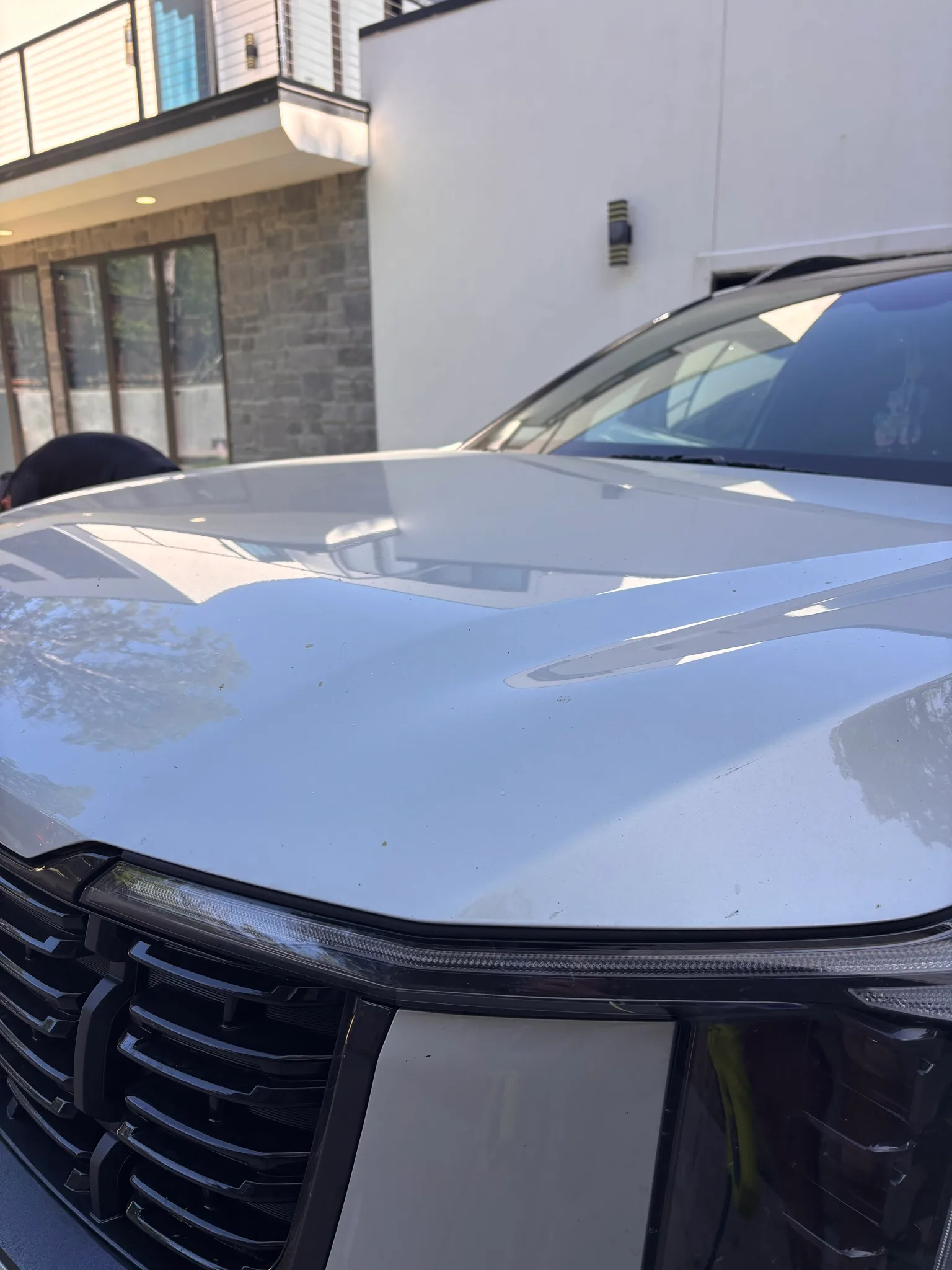
Do this in daylight, ideally with the car dry and parked in open sun. You are not looking for reasons to be unhappy. You are recording the starting condition, which matters for a warranty claim, a dealer goodwill fix, or simply knowing what is already yours to live with.
- 1Walk every panel with the sun behind you and look for swirl marks, buffer trails, and scratches.
- 2Run the back of your hand over the paint. Grit you can feel is bonded contamination, not dirt.
- 3Check the lower panels and the front bumper for chips and for overspray from lot repairs.
- 4Look at the wheels for curb rash and at the tires for the manufacture date code.
- 5Open the doors and check the sills, jambs, and trunk seal for transport adhesive residue.
- 6Photograph anything you find, with the date, before you drive it much further.
What is worth paying for, and what is not
The dealer finance office will offer you a paint and fabric package at a price that has very little to do with what the work costs. Here is how the common options actually compare.
| Option | Worth it? | Why |
|---|---|---|
| Dealer paint and fabric package | Usually not | Priced as finance-office margin, and often applied over contamination that was never removed |
| Decontamination plus sealant | Yes | Removes embedded iron and rail dust, then protects clean paint. This is the step that actually matters |
| Interior fabric or leather protection | Often yes | Cheapest the day the interior is still new, before the first spill sets |
| Paint protection film on the front end | Depends on the car | Real protection against rock chips, but a specialist install and a real budget line |
| A multi-year ceramic coating | Only on properly prepped paint | A coating locks in whatever is under it, so prep is the whole job |
First-month protection options for a new car
Start the car on clean, protected paint
A Exterior Detail decontaminates every panel with an iron remover and clay, then lays down a hand-applied sealant that holds up to six months. From $99.
Set the wash habit that keeps it looking new
Almost all of the damage a car accumulates in its first three years is wash damage. Not rocks, not weather, not bad luck. The spinning brushes at an automatic wash drag grit from the car in front of you across your clear coat, and that is what fine swirl marks are.
A safe rhythm for DFW is a proper hand wash every two weeks, protection refreshed roughly twice a year, and immediate removal of anything acidic that lands on the paint. If washing it yourself is not realistic, that is exactly what a recurring schedule is for: the car gets touched on a schedule by someone using two buckets and clean mitts.
The interior is easier to protect than to rescue
New interiors are the one place where prevention genuinely beats correction. Fabric protection applied to clean, unstained upholstery makes the first coffee spill a wipe instead of an extraction. Leather conditioned before a Texas summer stays supple instead of drying and cracking along the seat bolster.
Floor mats are the other unglamorous win. All-weather mats over the carpet cost less than one carpet extraction and they take the damage instead of the car.
This is an educational guide written to help DFW drivers budget and decide with confidence. It is not a binding quote. Your price is confirmed up front before any work begins, with no deposit.