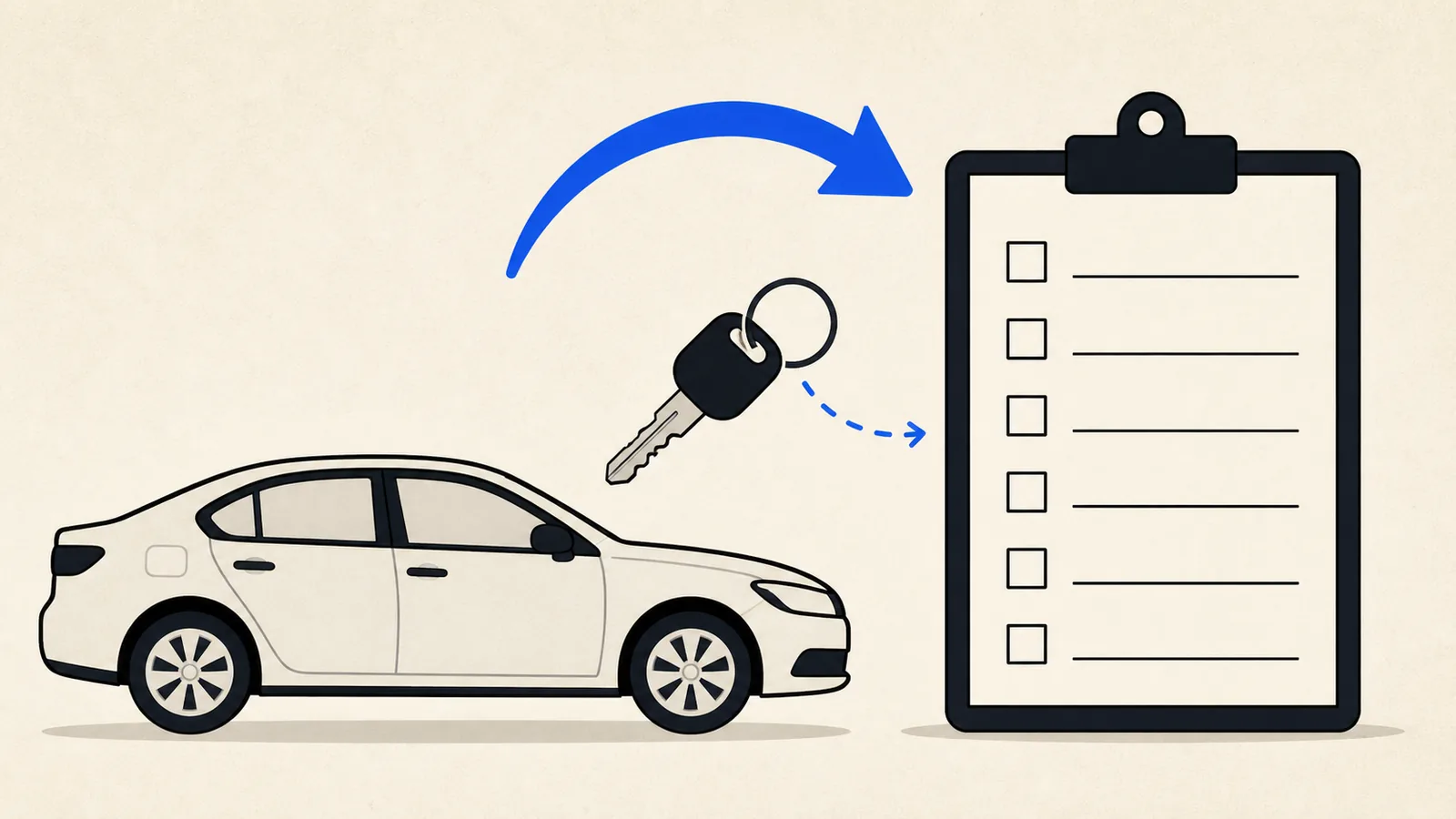
The short answer
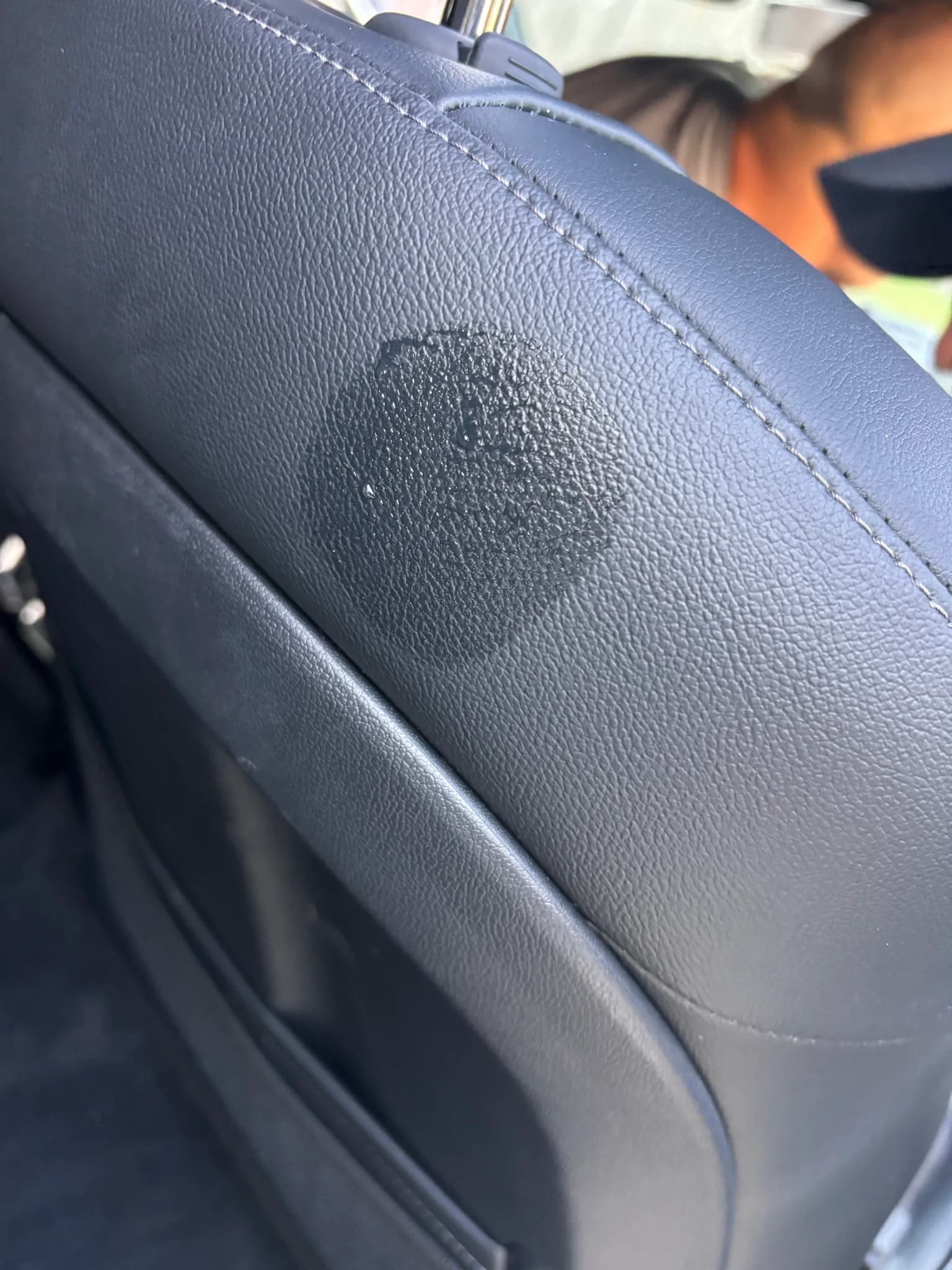
Yes, but for a specific reason. A lease inspector is not charging you for dust. They are charging for excessive wear against the standards written in your lease, and the Federal Reserve's own consumer guidance lists cuts, tears, burns, and permanent stains in fabric or carpet as examples of exactly that. A full detail before turn-in is worth it because it removes the things that would otherwise be recorded as permanent, and because a clean car sets the tone for the whole inspection.
A Full Detail from $225 is the core of it. Odor treatment and headlight restoration are the add-ons that most often earn their money back.
What actually gets charged
Excess wear is whatever exceeds the standards stated in your lease agreement, and those standards are written down. Read yours before you spend a dollar, because the list is more specific than most people expect and it tells you where to aim.
| Inspection item | Can a detail fix it? | Notes |
|---|---|---|
| Interior stains in fabric or carpet | Often yes | Extraction lifts most of what looks permanent |
| Odor: smoke, pet, mildew | Usually yes | Full odor treatment, $199, neutralizes at the source |
| Ground-in dirt and grime | Yes | Never charged as wear on its own, but it frames everything else |
| Hazed or yellowed headlights | Yes | Restoration from $149 the pair |
| Light surface swirls and dullness | Partly | Decontamination and sealant improve the read considerably |
| Cuts, tears, and burns | No | This is upholstery repair, and it is cheaper than the lessor's charge |
| Dents, deep scratches, curbed wheels | No | Get an independent quote; body work is often cheaper out of pocket |
| Missing items and worn tires | No | Second key, cargo cover, and tread depth are checked; handle these separately |
Where a pre-turn-in detail helps, and where it does not
Why clean changes the whole inspection
An inspector works through a checklist, but they are still a person deciding whether a borderline mark is normal wear or excessive. A car handed over clean, odor-free, and obviously cared for gets the benefit of the doubt on the borderline calls. A car handed over filthy invites a closer look at everything.
That is not a trick, it is the same instinct that makes a detailed car sell for more privately. The difference at lease end is that the money is measured in charges you avoid rather than offers you gain.
Do the math before you book anything
Get your lease's wear standards and your lessor's charge schedule, then compare. Most lease-end interior charges for stains and odor run into the hundreds, and the detail that prevents them costs less. Body damage is the opposite: a lessor's charge for a dented panel is typically higher than an independent shop would quote you, so getting your own estimate is usually worth the phone call.
- 1Read the excess wear section of your lease agreement and note the specific standards.
- 2Walk the car in direct daylight and list every mark honestly.
- 3Split the list into what cleaning can fix and what needs repair.
- 4Price the repairs independently before accepting the lessor's number.
- 5Book the detail so it lands close to the inspection, not months before.
Book it before the inspection, not after
A Full Detail from $225, plus odor treatment and headlight restoration where they apply, is the package that removes what would otherwise be written down as permanent.
Timing it right
Most lessors let you schedule a pre-inspection before the actual turn-in date. That is the most useful appointment in this whole process, because it tells you exactly what will be charged while you still have time to act. Book the detail after the pre-inspection tells you what is on the list, or a week or two before turn-in if there is no pre-inspection, so the result is still fresh on the day.
Detailing months ahead does not carry. Odor comes back if the source was not treated, and a cabin lives another two thousand miles between the detail and the handover.
If you are buying out the lease instead
The calculation flips. Nobody is inspecting the car, so there are no charges to avoid, but you are about to own a vehicle you have been driving hard for three years. That is the right moment for decontamination and a durable sealant on paint that has spent three unprotected Texas summers outside, and for the extraction and protection that resets the interior for the next stretch.
Same service, different reason. At turn-in it is defense. At buyout it is the reset that starts the ownership.
This is an educational guide written to help DFW drivers budget and decide with confidence. It is not a binding quote. Your price is confirmed up front before any work begins, with no deposit.