The short answer
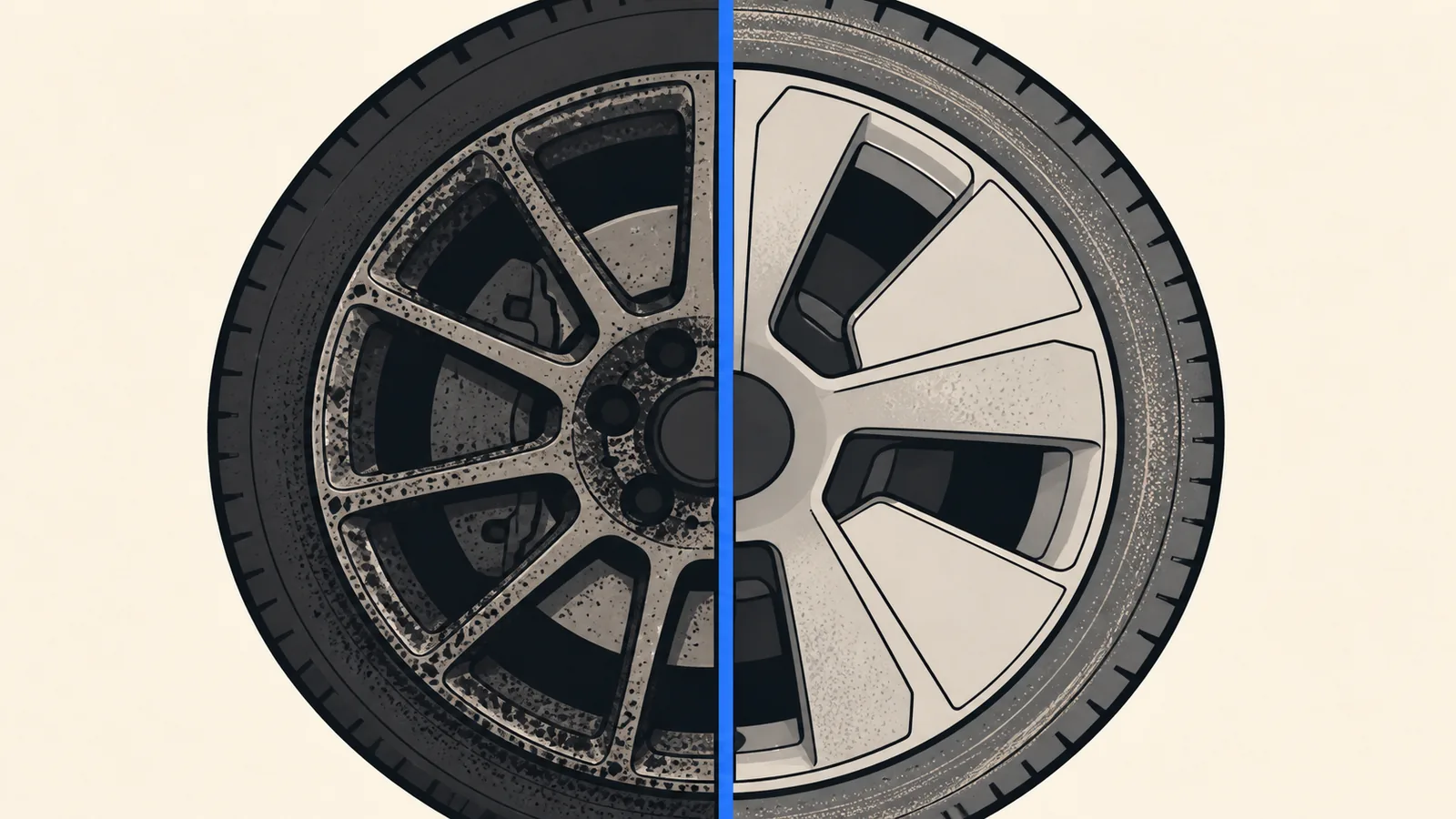
No. EVs produce much less brake dust, which is real, but they produce more tire particulate because they are heavier and deliver torque instantly. The wheels get dirty in a different way, not less.
Add softer factory paint on some models, light interiors that show everything, and a large glass roof that displays every water spot, and the total detailing need is roughly unchanged.
What goes down and what goes up
| EV | Combustion | |
|---|---|---|
| Brake dust | Much lower | Higher |
| Tire particulate | Higher, from weight and torque | Lower |
| Exhaust soot on the rear | None | Present, especially on light paint |
| Engine bay work | Minimal | Regular |
| Interior staining risk | Often higher, light upholstery is common | Varies |
| Sensor and camera cleaning | More of them, more often | Fewer |
EV versus combustion, from a detailing point of view
The weight factor
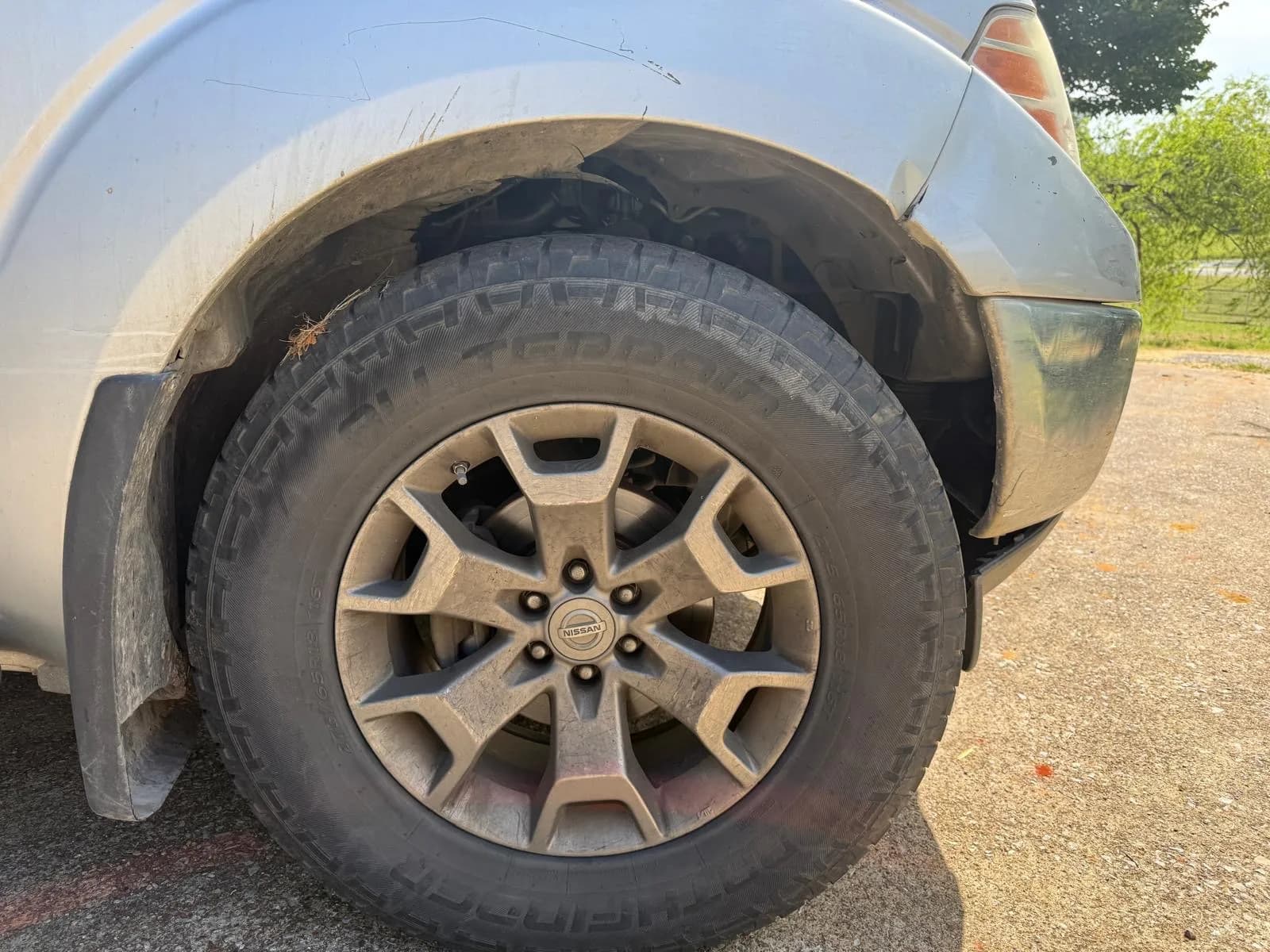
EVs are heavy, and heavy vehicles wear tires faster. That wear becomes particulate that lands on the wheels, the lower panels, and the wheel wells as a sticky film that is genuinely harder to remove than brake dust, because it is rubber and oil rather than iron.
It also means bigger wheels and tires to clean, and more of the lower-panel road film that collects at highway speeds.
Wheels are wheels either way
Wheels, tires, and wheel wells are cleaned in every exterior detail from $99, with barrels and calipers detailed in the Signature tiers. The product changes for an EV; the work does not.
Where you genuinely save
Engine bay work, which mostly disappears. Exhaust soot on the rear bumper, which disappears entirely and is a real annoyance on light-colored combustion cars. And oil drips on your driveway.
That is a real saving, but it is one or two line items rather than a different category of ownership.
The maintenance items that genuinely change
| Item | EV | Combustion |
|---|---|---|
| Engine bay cleaning | Rare, and usually just the frunk | Annual |
| Exhaust tip cleaning | None | Regular on chrome tips |
| Tire inspection | More often, from weight and torque | Standard |
| Cabin air filter | Same | Same |
| Sensor and camera cleaning | Every wash | Occasional |
| Frunk and trunk seal clearing | Worth checking each wash | Trunk only |
What an EV owner does more of, and less of
The cost comparison over a year
Totalled across a year, an EV owner in North Texas spends about the same on detailing as anyone else, with the money distributed differently: nothing on engine bays or exhaust tips, slightly more on interiors that are usually lighter in color, and the same on paint, glass, and wheels.
The one place EV owners genuinely spend less is on the reactive work that comes from neglected engine bays and soot-stained rear bumpers. That is a real saving; it is just a smaller one than the marketing implies.
This is an educational guide written to help DFW drivers budget and decide with confidence. It is not a binding quote. Your price is confirmed up front before any work begins, with no deposit.