The short answer
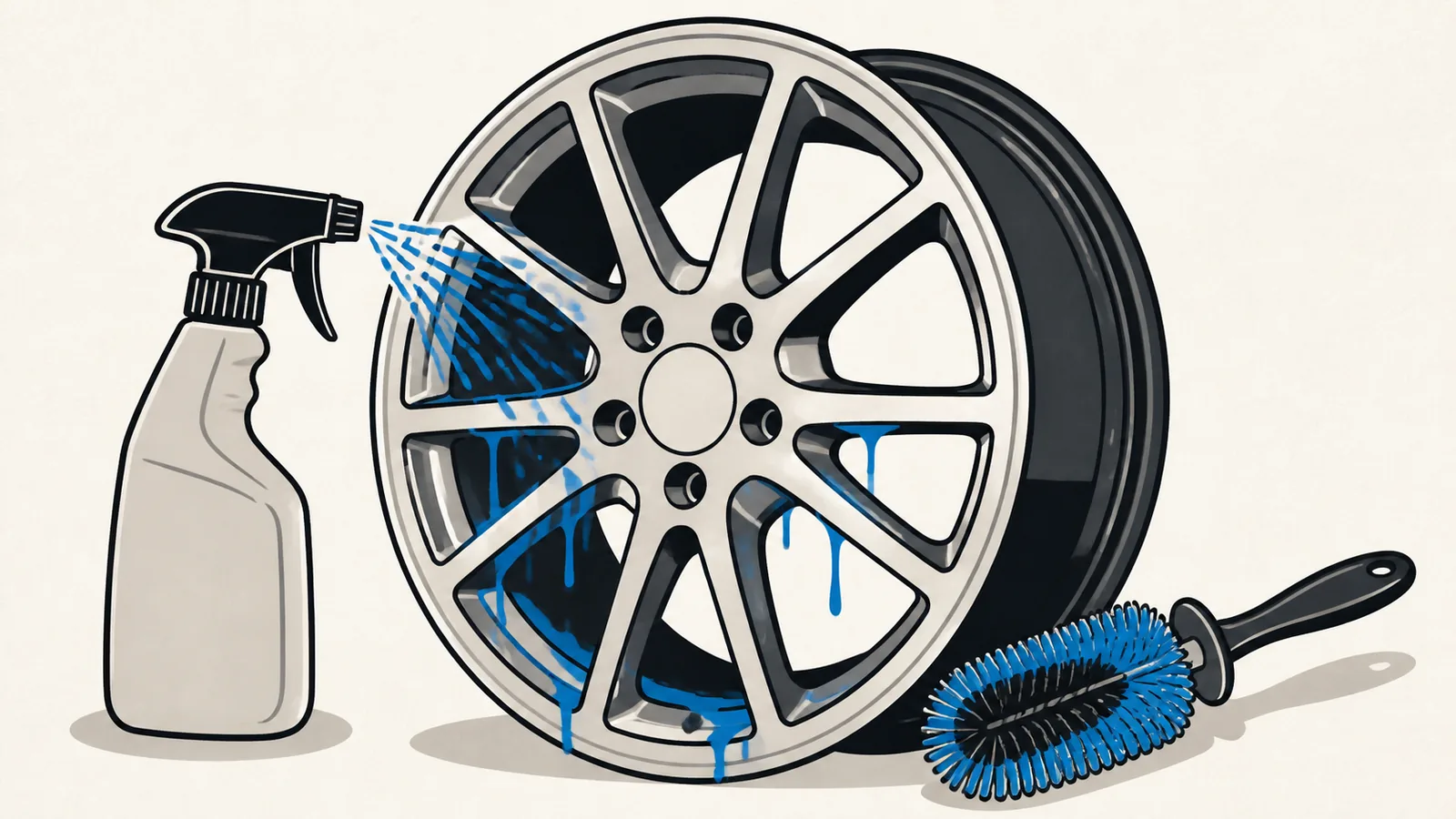
Iron removers contain a chemistry that reacts with embedded ferrous particles and dissolves them, turning purple as it works. That is what removes the grey film that soap and scrubbing leave behind on wheels and paint.
Spray it onto a cool, rinsed wheel, let it dwell for the time on the label, agitate, and rinse thoroughly. Never let it dry, and never use it in direct sun.
Where the iron comes from
Three sources. Brake dust, which is hot iron shaved off rotors and pads and embedded on contact. Rail dust, picked up during vehicle transport and common on new cars. And industrial fallout, which is airborne ferrous particulate that lands on any horizontal surface.
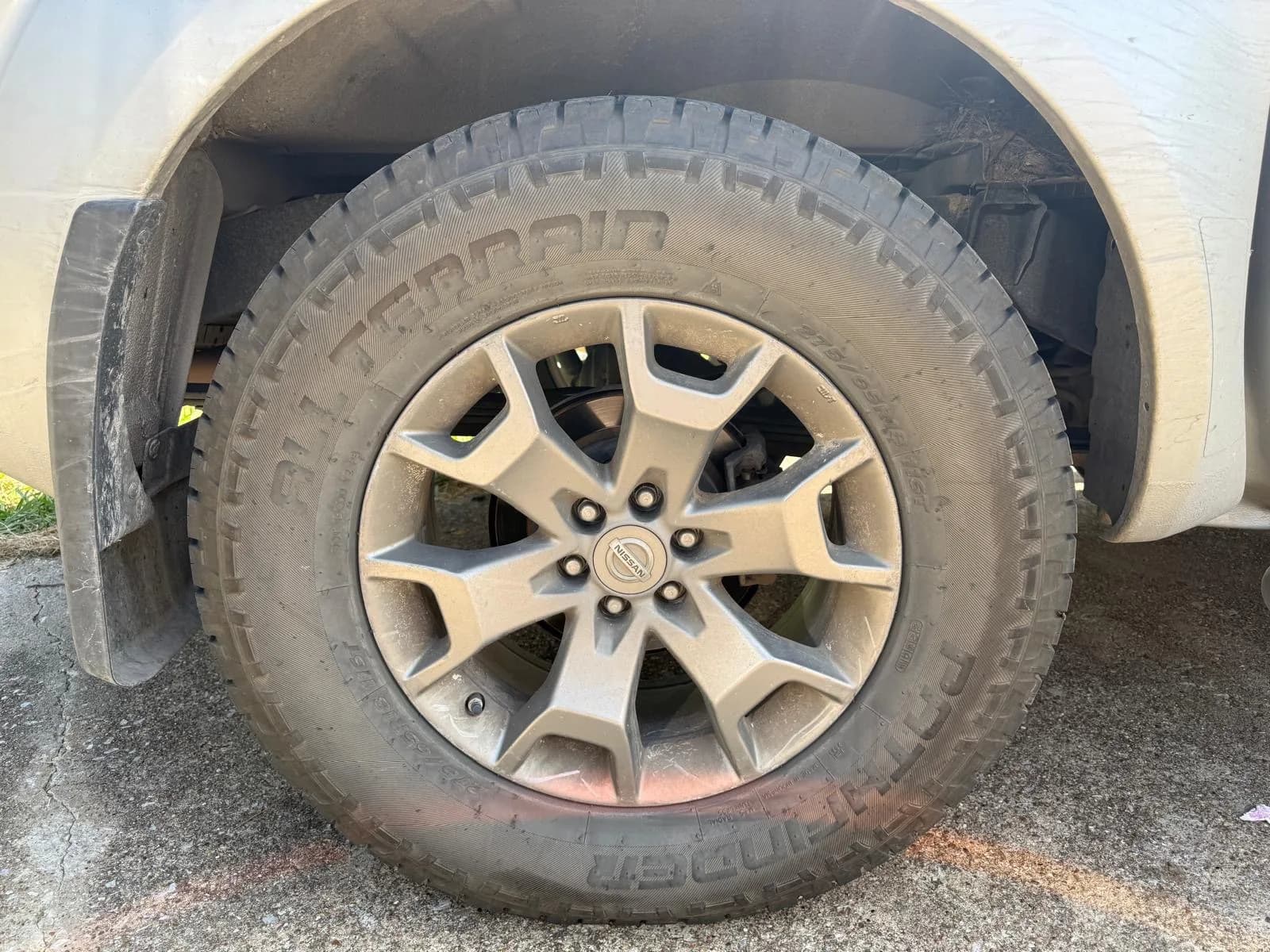
On electric cars the brake dust portion is much smaller, but rail dust and fallout are unchanged, which is why an EV can still show orange specks on white paint and a grey film on the wheels.
How to use one safely
- 1Work in the shade on cool wheels. Heat makes it flash off and stain.
- 2Rinse the wheel first so the product is working on bonded contamination rather than loose grit.
- 3Spray evenly, including into the barrel where most of the deposit lives.
- 4Let it dwell. The purple bleeding is the reaction, and it needs a few minutes.
- 5Agitate the face, barrel, and lug seats with the right brushes.
- 6Rinse very thoroughly, including behind the spokes, then dry the face.
- 7Seal the wheel so the next round of dust sits on protection instead of the finish.
The step that actually changes how wheels look
Iron decontamination is included in our exterior detail, with barrels and calipers detailed in the Signature version. From $99.
Cautions
Iron removers smell strongly, and that is normal. What is not fine is using them on bare or polished aluminum, on some anodized finishes, or on a wheel with damaged coating, where they can stain. Test in a hidden area if you are unsure what your wheels are finished in.
Never let the product dry on the surface, keep it off hot brakes, and rinse adjacent paint and trim thoroughly afterward.
Iron on paint, not just wheels
The same contamination lands on horizontal paint surfaces, and on white and silver cars it shows as tiny orange specks that owners often mistake for rust in the paint itself.
It is not rust in the panel. It is embedded ferrous particulate sitting in the clear coat, and the same iron remover that cleans wheels dissolves it. That is usually the single most dramatic step in a decontamination detail on a light-colored car.
This is an educational guide written to help DFW drivers budget and decide with confidence. It is not a binding quote. Your price is confirmed up front before any work begins, with no deposit.