The short answer
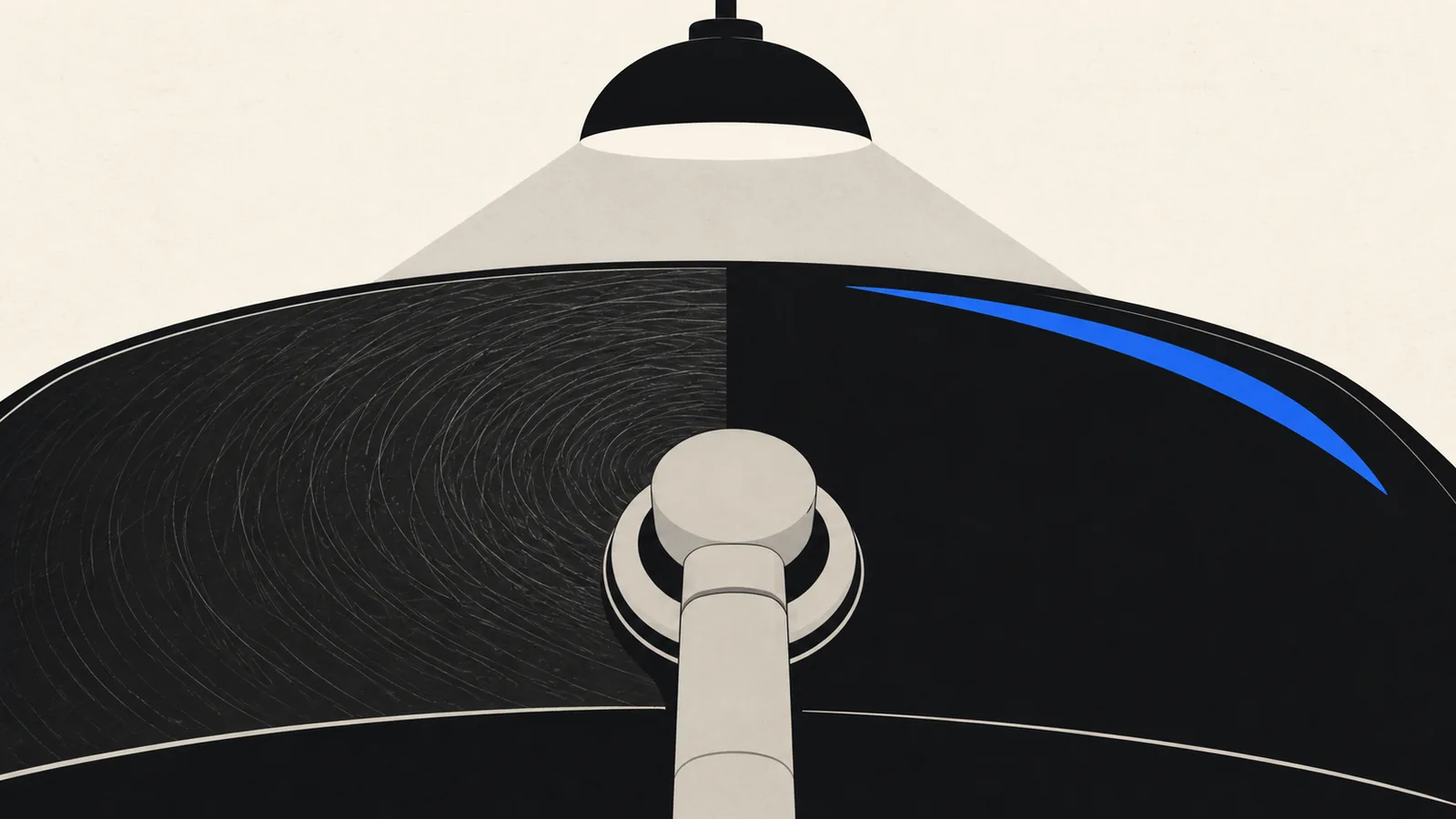
Swirl marks are thousands of fine scratches in the clear coat, caused by dragging grit across the paint during washing and drying. They only truly come out with machine polishing, which removes clear coat to level the surface.
Everything else that claims to remove them fills them temporarily. Glazes and filler-heavy waxes hide swirls for a few washes and then they reappear, which is why people think their correction failed.
Where they come from
| Cause | Why it does damage |
|---|---|
| Tunnel washes with brushes | Brushes carry grit from every previous vehicle |
| One-bucket washing | Grit goes from the panel to the bucket and back |
| Dry wiping dust off paint | The dust itself is the abrasive |
| Old or dropped wash mitts | One dropped mitt carries driveway grit |
| Automatic dryers and dirty towels | Contact with anything not perfectly clean |
| Washing in a straight line versus circles | Direction changes how visible they are, not whether they exist |
The main sources, in order
Stopping new ones
- 1Never use a tunnel wash with brushes. This single change matters more than everything else combined.
- 2Two buckets with grit guards, one for soap and one for rinsing the mitt.
- 3Pre-rinse thoroughly so the loose grit leaves before any contact.
- 4Wash top down and use separate media for the lower panels and wheels.
- 5Dry with a clean plush towel or forced air, never with pressure.
- 6Never dry-wipe dust. Use detail spray, or leave it until it can be washed.
The half of the problem we can fix
Removing swirls needs a correction specialist. Not adding new ones is what a safe hand wash on a rhythm buys you, from $99 a visit.
Why dark cars show them and silver does not
The scratches are the same. What differs is contrast: on black and dark blue paint the light scattered by a scratch is far brighter than the surrounding surface, so it reads as a spiderweb in direct sun. On silver and white the scattered light is close to the paint color and disappears.
This is why the same wash routine produces a car that looks flawless in silver and visibly damaged in black, and why dark cars deserve stricter wash discipline.
How to inspect paint properly
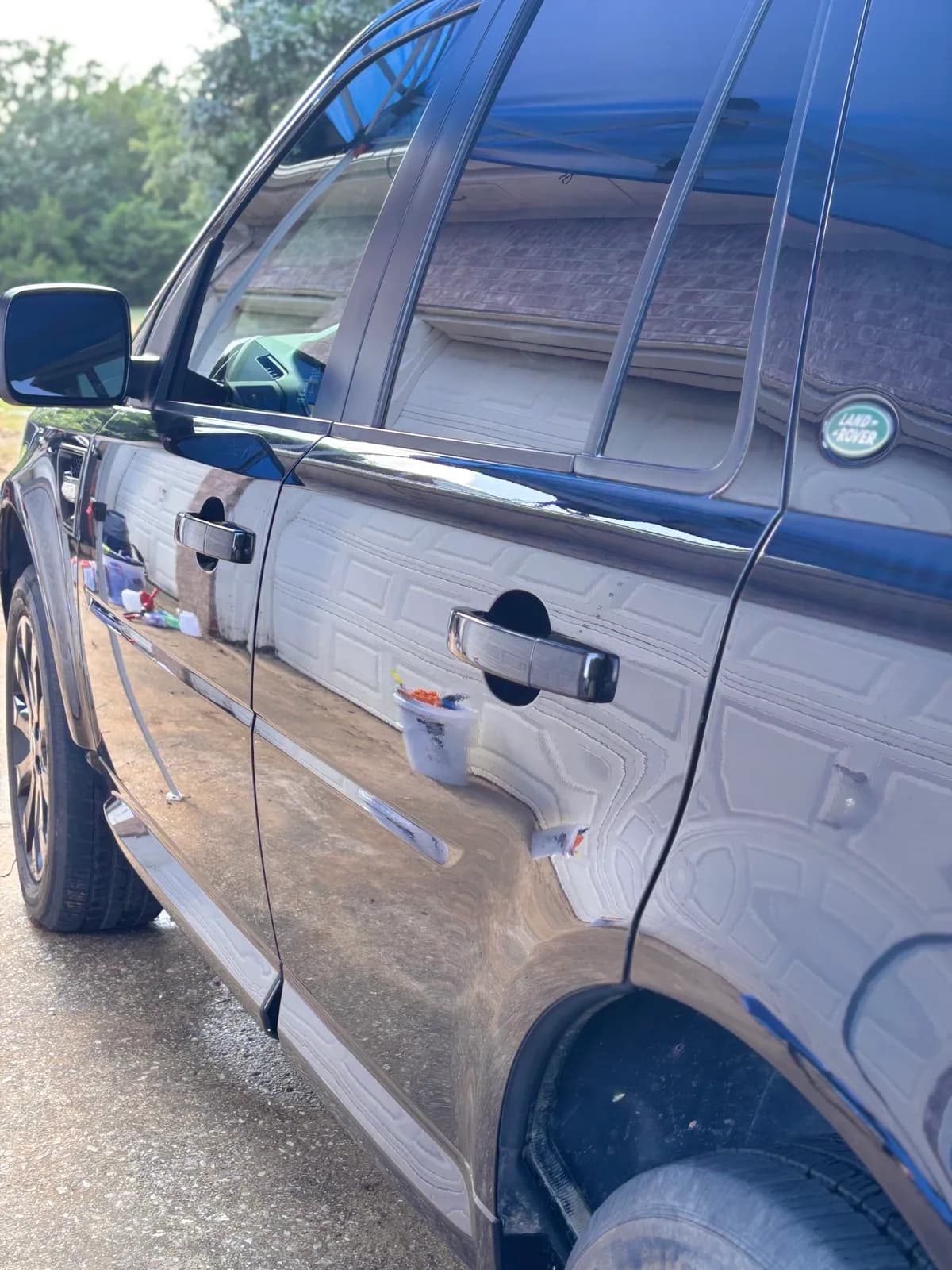
Swirl marks are invisible under most lighting, which is why people are surprised by them. Two minutes of proper inspection tells you what you actually have.
- 1Wash and dry the car first. Dust reads as defects and hides real ones.
- 2Go outside in direct sun, or use a single bright point light at night.
- 3Stand so the light source reflects off the panel toward your eye, then move slowly.
- 4Look for the fine circular pattern that appears around the reflection, which is swirl marking.
- 5Look separately for deeper straight scratches, which are a different problem with a different fix.
- 6Check horizontal panels first, since the hood and roof usually show the worst of it.
This is an educational guide written to help DFW drivers budget and decide with confidence. It is not a binding quote. Your price is confirmed up front before any work begins, with no deposit.