The short answer
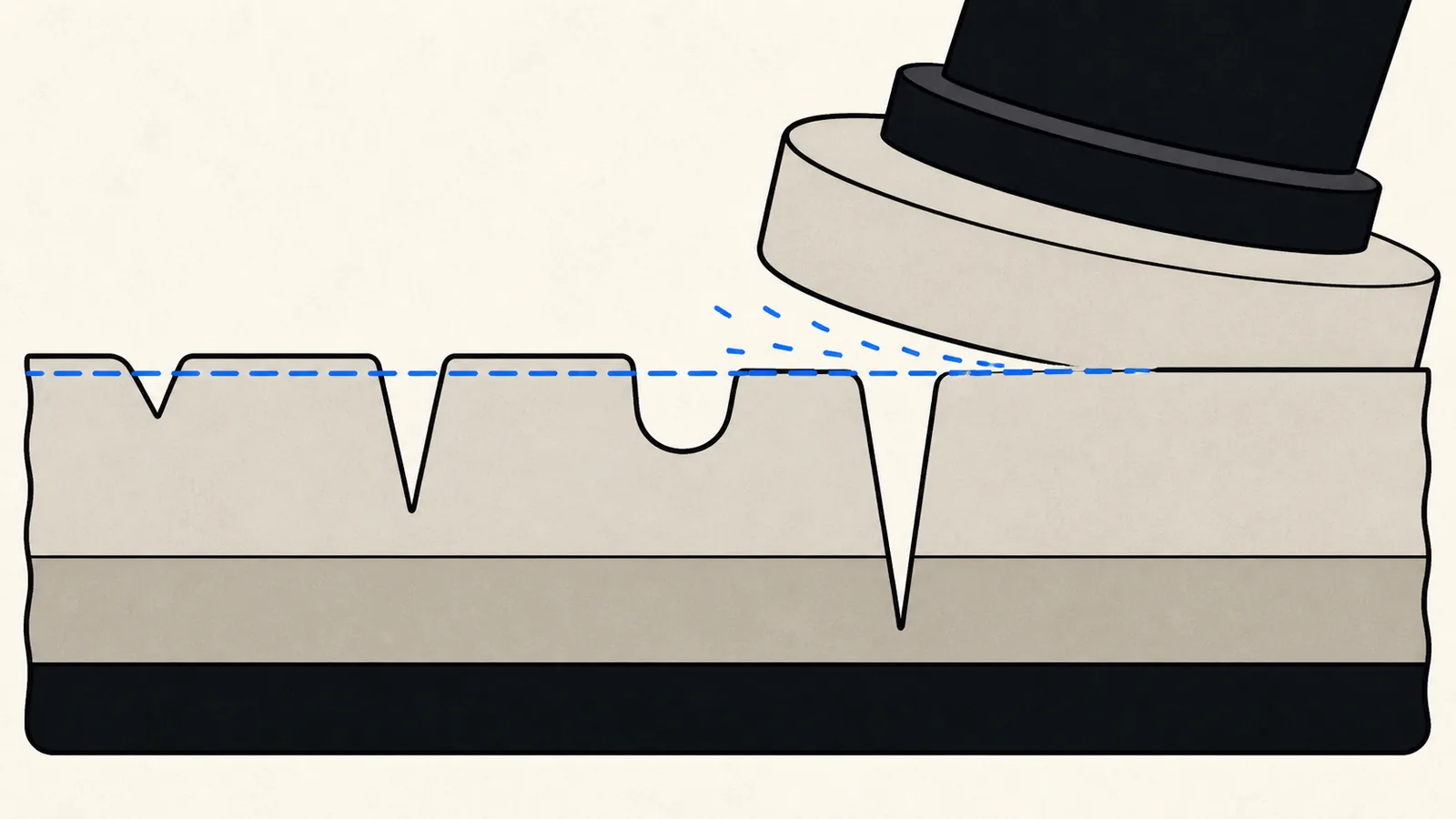
Paint correction uses a machine polisher and abrasives to remove a measured amount of clear coat, levelling the surface down to the base of scratches and swirl marks so they stop scattering light. It is the only process that genuinely removes defects rather than hiding them.
A one-step correction combines cutting and polishing in a single pass and typically removes 50 to 80 percent of light defects. Multi-stage correction uses separate compounding and polishing stages and can approach a defect-free finish, at several times the labor.
One-step versus multi-stage
| One-step | Two-step | Multi-stage | |
|---|---|---|---|
| Defects removed | 50 to 80 percent of light marring | 80 to 95 percent | Approaching complete |
| Time | Several hours | A full day | Multiple days |
| Clear coat removed | Minimal | Moderate | Most of what is safely available |
| Best for | A tidy daily driver | A car you keep and care about | Show cars and pre-coating prep |
| Environment | Controlled lighting needed | Controlled lighting needed | Enclosed, controlled bay |
What each level delivers
Why clear coat is finite
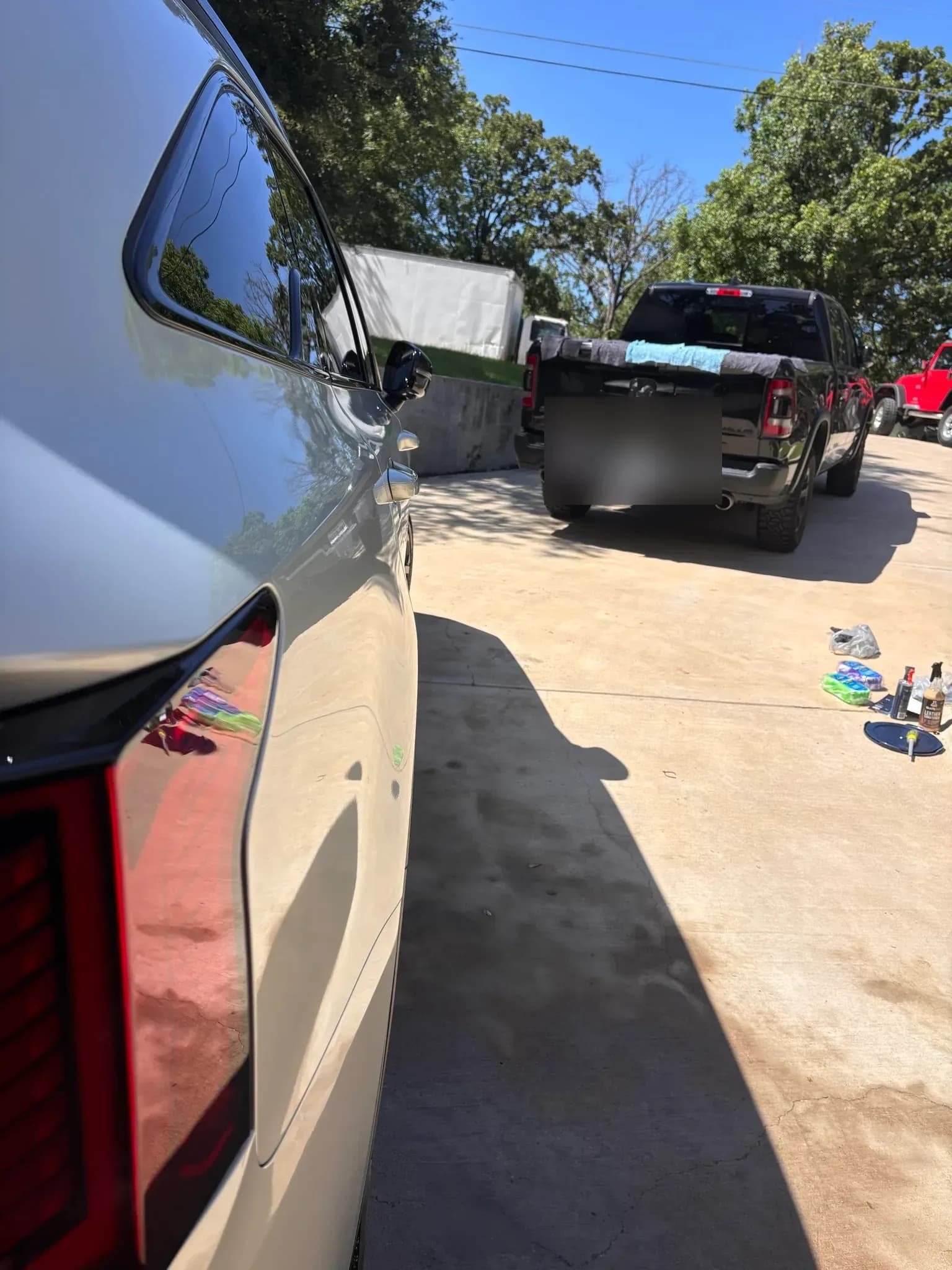
Factory clear coat is thin, and it is the layer that carries UV protection and gloss. Every correction removes some of it, and once it is gone the color coat underneath fails quickly and permanently.
That is why a serious correction shop measures paint thickness before starting, why they can decline to correct a panel that has already been polished repeatedly, and why anyone offering unlimited correction is not thinking about your car in five years.
What we do and do not do
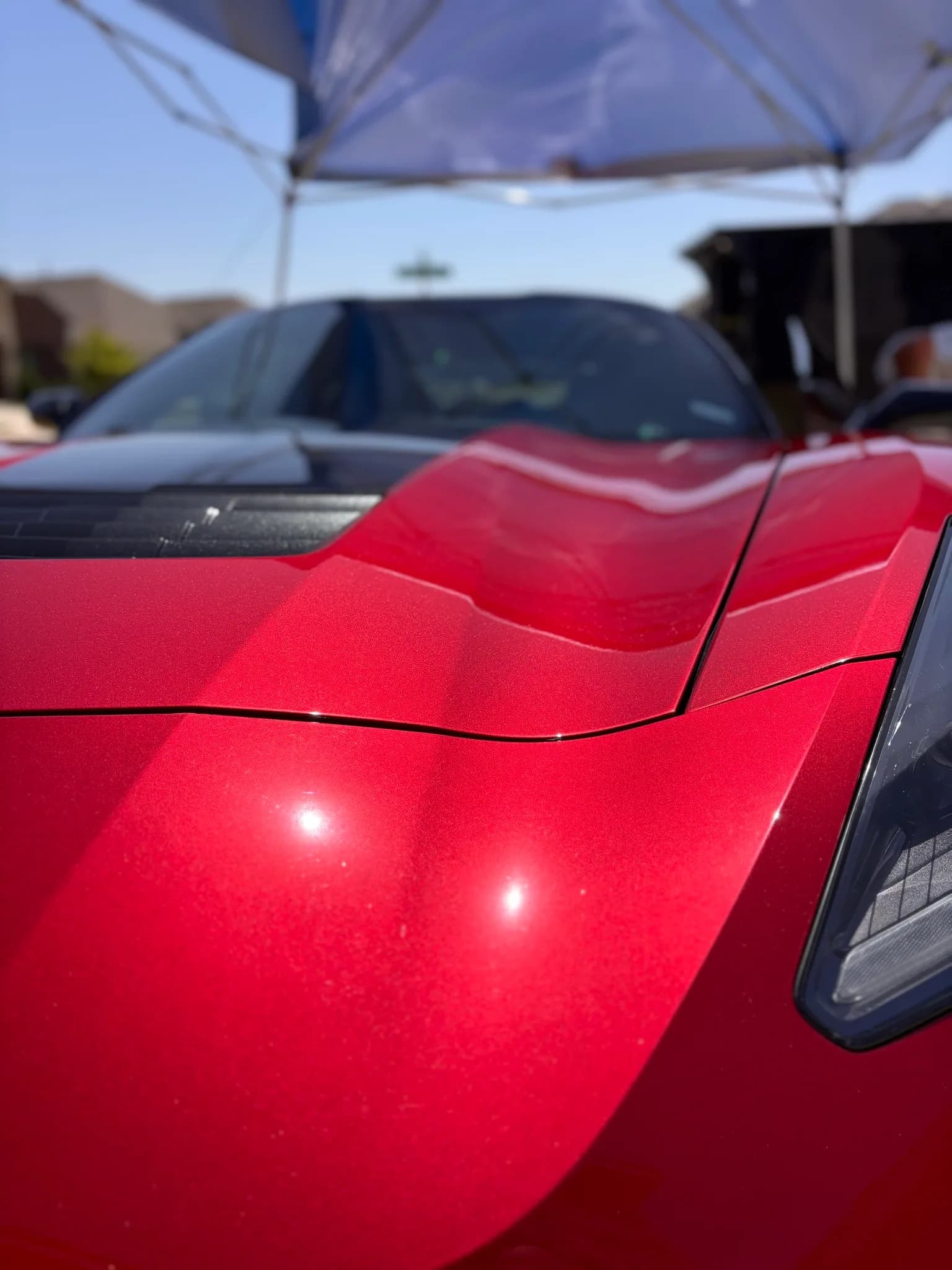
We do not perform multi-stage machine correction in a driveway. It needs controlled lighting and a sealed environment, and doing it properly is a shop job.
What we do is the decontamination that comes first and the protection that comes after. A large amount of what people think is damaged paint is bonded contamination, and it comes off with an iron remover and a clay bar rather than with a polisher.
Start with decontamination, then decide
Iron and clay decontamination often accounts for most of the improvement people expect from correction, at a fraction of the cost. Exterior Detail from $99, Exterior Detail with a six-month sealant from $99.
When not to correct
- On a lease returning soon, where you will not benefit from it.
- On paint that has already been corrected repeatedly, without a thickness reading first.
- Before decontamination, since polishing over bonded grit drags it across the panel.
- As a substitute for protection. Corrected paint with nothing on it starts marring again immediately.
- On matte or satin finishes, where polishing destroys the look permanently.
This is an educational guide written to help DFW drivers budget and decide with confidence. It is not a binding quote. Your price is confirmed up front before any work begins, with no deposit.